
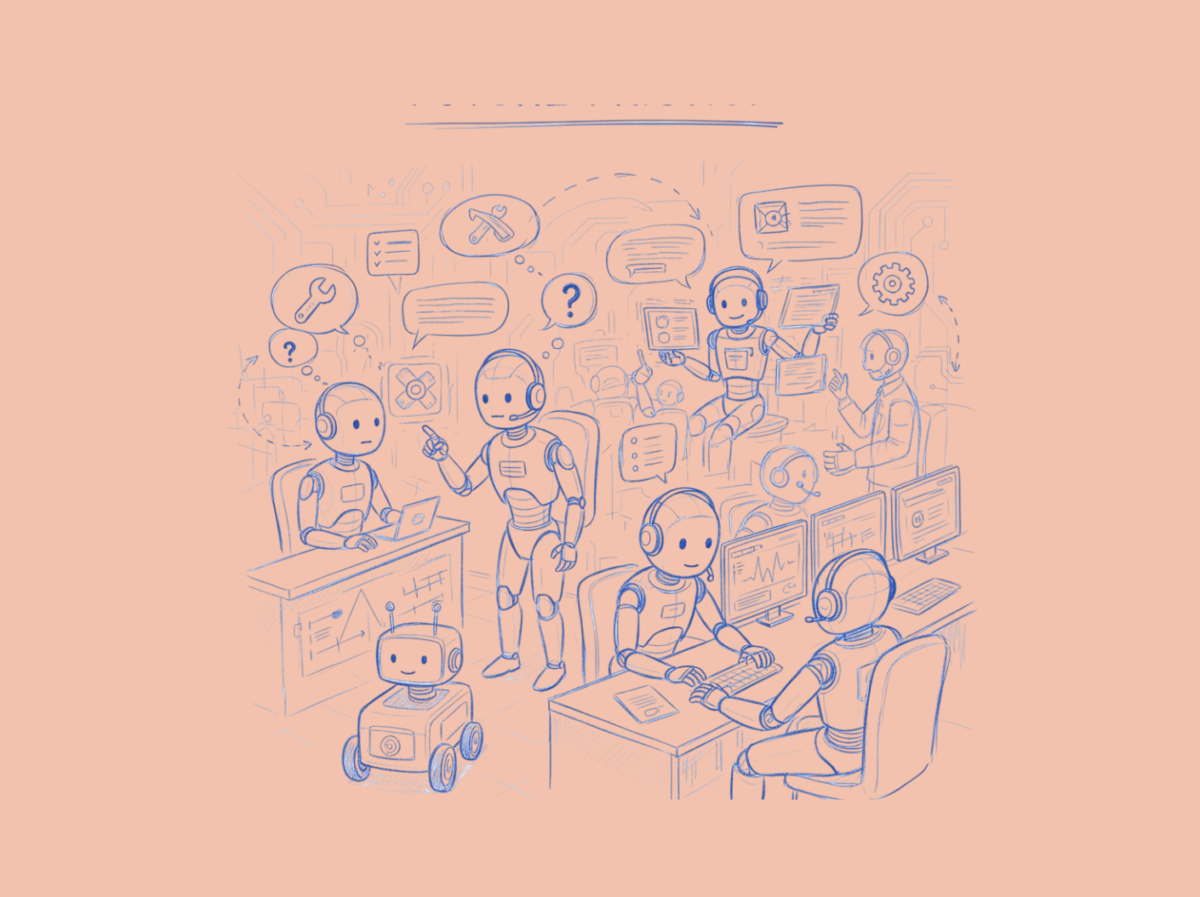

Autonomous AI agents moved closer to the centre of enterprise workflows in 2026, particularly in industries where content must meet legal, platform, and security requirements. What began as prompt-driven assistants are now being deployed as independent systems that can generate, validate, and update content with minimal human intervention.
This shift is most visible in regulated digital environments. Marketing teams, publishers, and platform operators increasingly expect AI systems to understand not just language, but rules. That expectation is reshaping how agents are designed, governed, and secured.

The real question is no longer whether agents can act autonomously. It is whether they can do so responsibly, with guardrails that hold up under regulatory scrutiny.
Embedding Rules And Constraints
As agents gain independence, hard-coded prompts are giving way to embedded governance. Rules are now treated as first-class system components, enforced at runtime rather than checked after publication. This matters most in sectors where regulations vary by jurisdiction and change frequently.
A practical example is location-specific informational content. An agent generating guidance for users needs to distinguish between regions, licences, and legal boundaries. For instance, the age of majority is 18 in most US states, but in Alabama and Nebraska it’s 19. Further on, you’re considered an adult in Mississippi when you turn 21. Moreover, gambling regulations also differ from state to state. So, if an AI agent is to explain options such as Mississippi online casinos for a US-based audience, without age- and jurisdiction-aware constraints, even accurate text can become non-compliant the moment it is shown to the wrong user.
Frameworks like Policy Cards and Governance-as-a-Service address this by separating content generation from compliance logic. The agent acts, but only within machine-readable rules that can be audited and updated without retraining the model.
Handling Regulated Information Sources
Compliance-aware agents also need disciplined source handling. In regulated environments, it is not enough to summarise information; agents must track provenance, apply update triggers, and avoid mixing incompatible sources. That requirement is pushing teams to design verification loops alongside generation steps.
The pace of adoption makes these controls urgent. At the moment, more than 71% companies use generative AI in their operations. As more agents operate live, the cost of unverified or outdated content rises sharply.
In practice, this has led to hybrid systems where agents draft content, call validation services, and only publish once constraints are satisfied. Autonomy, in this sense, is conditional rather than absolute.
Design Patterns For Trustworthy Agents
Trustworthy autonomy depends as much on security as on compliance. Agents require identities, scoped credentials, and clear limits on what actions they can perform. Without that, even well-governed systems risk misuse or accidental overreach.
Developers are responding by treating agents like internal users. Each agent receives an identity, logged actions, and permissions that align with its role. This approach makes auditing possible and limits the blast radius if something goes wrong.For content creators and marketers, the takeaway is practical. Autonomous agents can unlock scale, but only if governance is built into their foundations. The organisations seeing the most value are not chasing autonomy for its own sake; they are designing systems where independence and accountability grow together.
