


Ulric Musset founded Marblism in 2024. The company is small and operates out of London. It gained early credibility fast, launching through Y Combinator’s competitive W24 batch. From the start, the platform set itself apart from typical AI chat tools.
Rather than a single generic assistant, Marblism assigns specific roles to each AI “employee.” You brief them once on your business, and they work independently from there. If you’re connecting your business email, calendar, or customer data to Marblism, you’ll want to know where that information lives.
On that front, Marblism has undergone a third-party CASA Tier 2 assessment and encrypts data both in transit and at rest. It also complies with GDPR and CCPA standards. However, it hasn’t published a SOC 2 report, so enterprise buyers with strict compliance needs should factor that in.
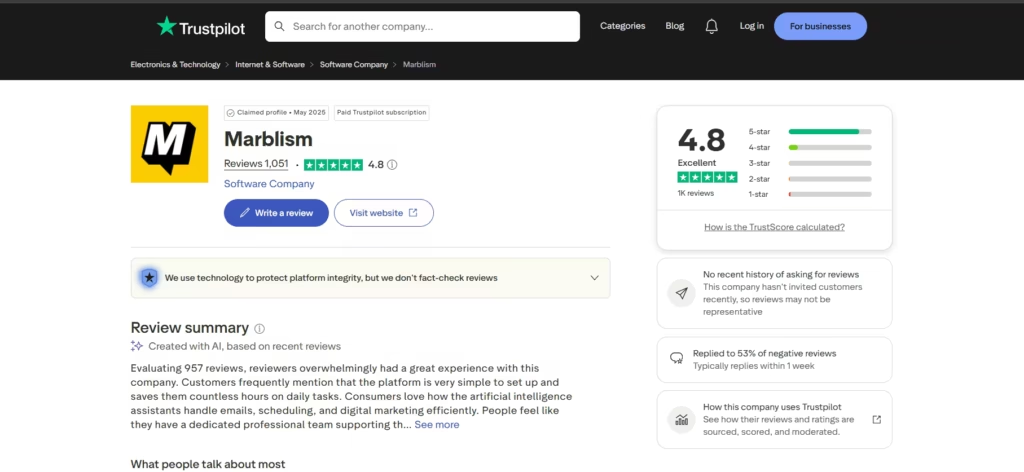
As of August 2026, Marblism held a 4.8 out of 5 rating on Trustpilot, based on 957 reviews. Most praise centers on time saved and ease of setup. The most common complaint isn’t about the product itself; it’s about support. Several users report that refund requests get stuck with an automated support bot before reaching a human.
Also read: How to Use AI as a Manager to Streamline Daily Operations
Key Features
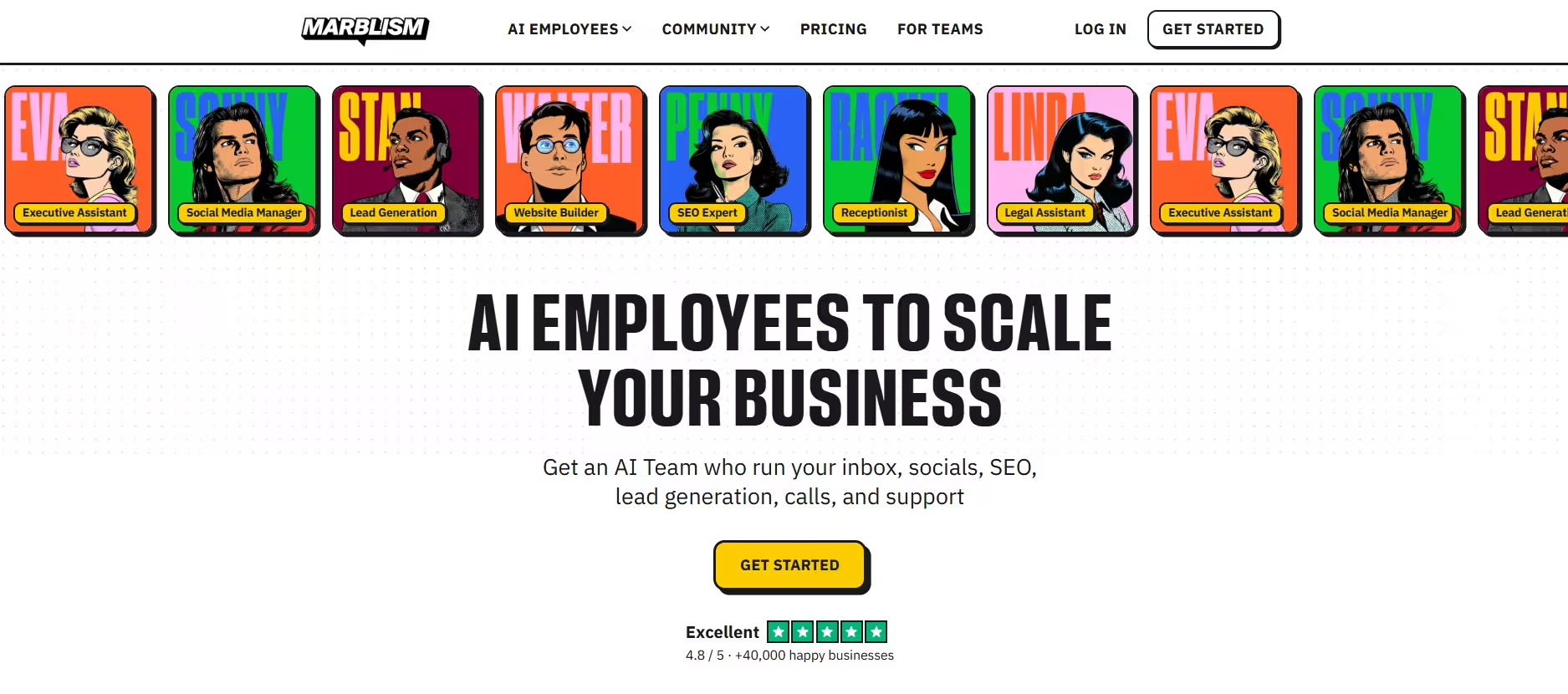
Marblism’s six AI employees split naturally into three workflow stages: the ones that face your customers directly, the ones that create content, and the one that works quietly in the background.
On the customer-facing side, Eva sorts and triages the inbox, drafting replies in your voice and flagging priority items. She catches nearly every urgent email correctly, though she may gloss over sarcasm in casual client replies.
Rachel answers calls around the clock and acts as a receptionist stand-in for missed-call situations without any tuning needed. Stan handles outreach, finding leads and sending cold emails, but his initial drafts can read as generic boilerplate. You may need to feed him three samples of your own writing to get him up and running.
For content creation, Sonny posts across Instagram, LinkedIn, X, Facebook, and Google My Business. He’s hands-off once configured; you need to upload brand examples to avoid defaulting to generic stock styling. Penny writes SEO-optimized blog content and publishes it directly to the site, which is worth it if you’d otherwise pay a freelancer for the same output.
On the backend, Linda reviews contracts and flags legal issues. She’s a screening tool, not a substitute for a licensed attorney on anything complex, but she catches obvious red flags before they reach your desk.
Note that the more context and real examples you hand an employee upfront, the less correction their output needs later. Marblism also connects with tools you likely already use (Gmail, Outlook, Instagram, Facebook, X, LinkedIn, and Google Calendar) so onboarding doesn’t require rebuilding your workflow from scratch.
Is Marblism Worth It?
Marblism is worth buying if you’re a solopreneur or small business owner looking to replace a patchwork of freelancers and subscriptions with one system. The time savings are real, and the Trustpilot reviews back that up.
I’d recommend it specifically for solo operators and teams under five people; anyone larger or needing deep compliance guarantees should look elsewhere, since Marblism trades flexibility for simplicity.
It isn’t fully autonomous, though. A few employees may need a first pass of correction before they sound right. Eva in particular can’t handle threaded email conversations longer than three exchanges, so you may still need to jump in manually on complex customer threads. Therefore, budget time to review outputs before they reach customers, especially anything legal or sales-related.