

Millions of teenagers have used ChatGPT since it first launched. Most of them never had a version built just for them, but that changes now.
OpenAI announced ChatGPT for Teens on Monday, after several lawsuits blamed the chatbot for serious harm to young users, including cases tied to teen suicides.
Now the company says it wants to make things safer, but “Why did it take this long?”
Late Arrival
ChatGPT launched in late 2022. It grew fast, eventually reaching 900 million weekly users. For years, though, it lacked safeguards built specifically with teenagers in mind.
The lack of safeguards became impossible to ignore after lawsuits emerged, including a case in Florida and reports linking chatbot use to tragic outcomes for young users.
Critics argue safety measures like these should have existed from day one, not after harm had already occurred.
ChatGPT for Teens
The new version adds safety tools, turned on by default. OpenAI says these protections come from its Under-18 Principles.
The company built these rules using input from child development experts to cut down on content that could hurt a teen’s mental health or push them toward harmful behavior.
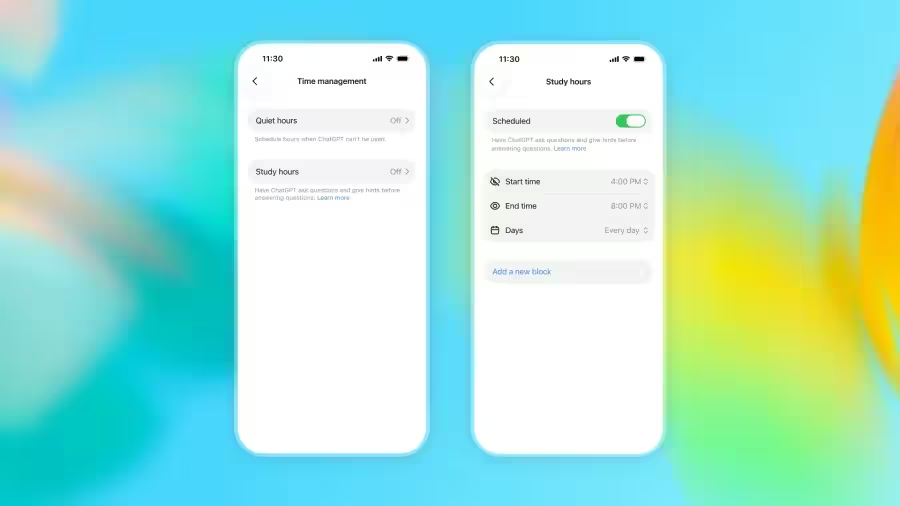
Parents also get more control; they can turn on features like Quiet Hours. This blocks chatbot access during certain times, like late at night.
Parents can also get safety alerts and manage other settings from their own account.
AI Literacy
OpenAI has also announced a partnership with CodeAI to teach teens how AI actually works, not just how to use it.
This includes lessons on questioning AI output and understanding its limits. It builds on ChatGPT for Teachers, a tool OpenAI already offers schools for managed classroom access.
Homework
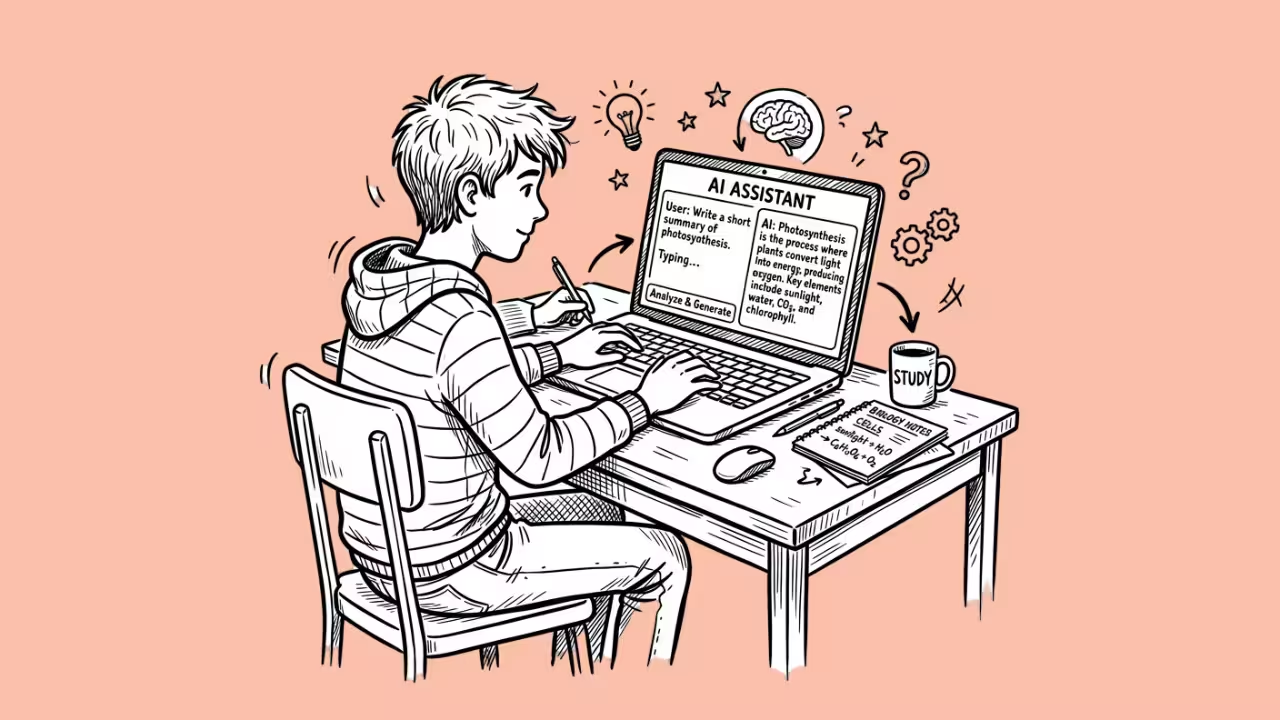
In schools, teachers have watched students lean on ChatGPT to skip the hard parts of learning.
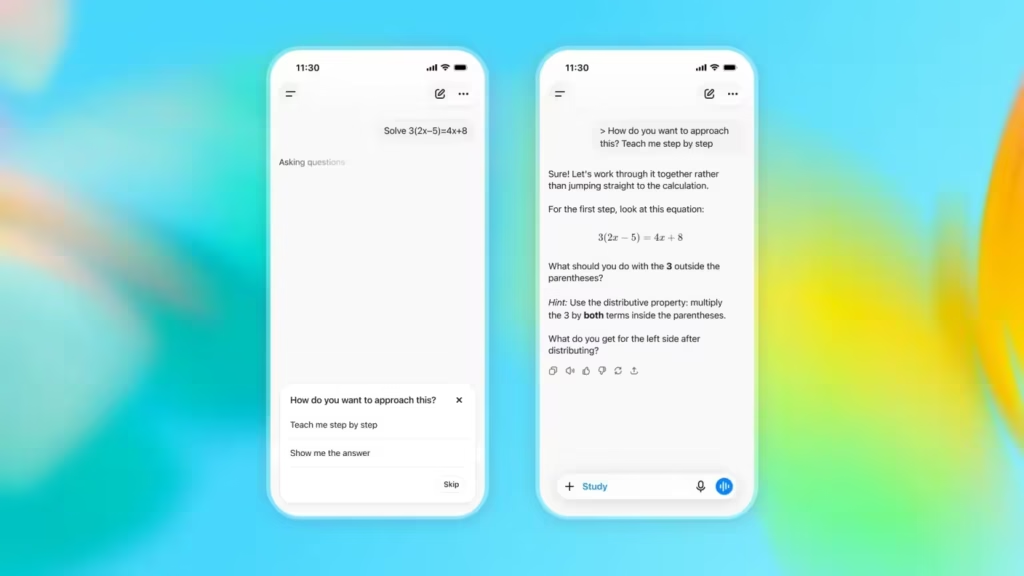
OpenAI wants to fix that with the new Study Mode feature, which nudges teens to think for themselves.
It guides students step by step by asking questions instead of spitting out an answer. This also includes quizzes and visual learning tools.
The system also watches for cheating patterns. If a teen seems to be using ChatGPT to dodge homework, the app will flag it. Then it steers them back toward Study Mode.
Parents and schools can also set Study Mode as the default option.
A Workaround
Teens are famous for finding workarounds. Whether it’s parental controls on phones or content filters on school laptops, determined teens often find a way through.
OpenAI hasn’t proven yet how tough these new teen protections really are. Nobody knows how well they’ll hold up once millions of resourceful teenagers start testing the limits.
