
Microsoft says hackers tied to the Chinese state broke into ConnectWise, a major IT management and remote access company.
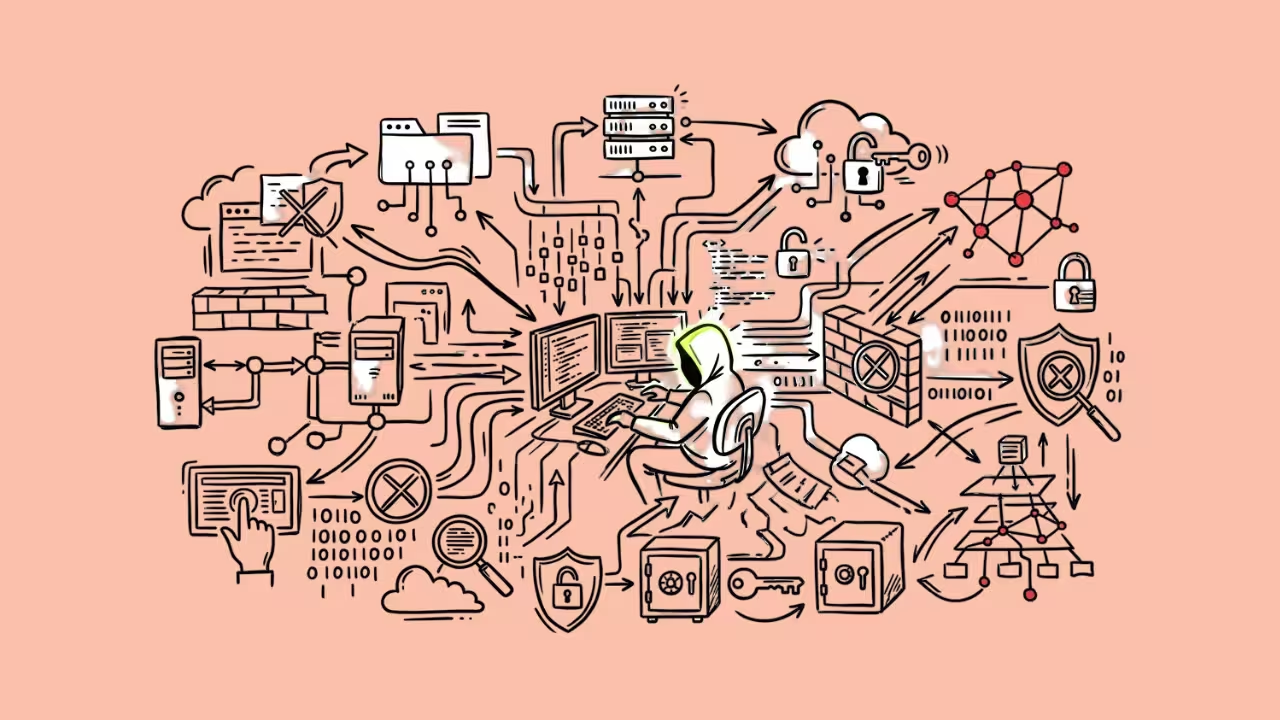
From there, they went after thousands of businesses that trusted ConnectWise to protect their data. The hackers used AI agents to do much of the heavy lifting.
Breach
ConnectWise sells a product called Cloud Backup. It used to be called SkyKick, and ConnectWise bought SkyKick in September 2024.
The service makes backup copies of a company’s Microsoft 365 data, like emails and files.
To do that job, the backup tool needs broad access, and that is exactly what the hackers abused.
Microsoft says the group, which it tracks as Storm-0940, used an AI tool called ARTEX to speed up a supply chain attack on ConnectWise and abuse application credentials across Microsoft 365 environments.
In simple terms, the hackers stole the digital keys that link ConnectWise to its customers. With those keys, they could log in to a customer’s Microsoft account as if they belonged there.
That gave them a way to reach emails and other files.
Security firm WatchGuard explained that the backup app connects with tenant-wide permissions and no user sign-in, so multi-factor authentication and most access rules never kick in.

AI Agents
Microsoft said Storm-0940 used ARTEX to target more than 2,250 tenants, with roughly 2,900 sign-in attempts per minute, which left defenders little time to spot and stop the attacks.
A “tenant” is basically one organization’s private corner of Microsoft’s cloud.
Microsoft’s numbers describe attempted logins across those 2,250-plus organizations. The company hasn’t said that every one of them was fully compromised.
Between October 10 and 14, the hackers made over 151,000 failed sign-in attempts against 327 accounts at eight organizations, then switched to the stolen ConnectWise credentials for wider access.
In some cases, several attacks gave the hackers privileged access to an organization’s cloud setup in under three hours from first contact.
No human team can type that fast. And that’s the whole point of using AI agents.
ARTEX
ARTEX started out as a tool for the good guys. Security teams use tools like it to test their own defenses before real attackers do.
According to Microsoft, ARTEX is an open-source, multi-agent testing framework that can run a full attack, from scouting a target to stealing data, with very little human input.
A Chinese security engineer who goes by the handle Autumn published it on GitHub this year.
However, open tools can land in the wrong hands. And that’s exactly what happened.
Bank Hacks
Just weeks earlier, ARTEX played a role in a wave of breaches across South Korea’s financial sector.
CrowdStrike reported on a campaign against South Korean financial organizations that ran from late September to early October 2026 and ended with stolen data.
At least nine South Korean banks have disclosed or been reported as targets since late September, which pushed police to open an investigation.
Local reporting also pointed out that many of the hit systems had weak security and lacked multi-factor authentication.
After that news broke, the tool’s creator pulled back. The day after CrowdStrike’s report, ARTEX’s developer said it would go closed-source, and Reuters found its GitHub page gone.
ConnectWise
ConnectWise said it found unauthorized access to application identities in its Cloud Backup environment and shut off app access as a protective step.
At 07:00 UTC on October 17, ConnectWise disabled seven application identities, and the affected shared credentials stopped working.
On October 18, it also took its SaaS Security and Cloud Management services offline.
ConnectWise says it has no signs so far that partner backup data was compromised, and its backup archives remain encrypted and isolated.
As of Thursday, the company said it was working to bring the service back online.
