


Jensen Huang, as the head of the world’s most important maker of AI chips, spends much of his year meeting the people who buy them.
According to a new report, though, U.S. intelligence officials worried that one of those people might have been more than a customer.
On October 29, 2026, the New York Times reported, citing anonymous sources, that U.S. agencies had looked into whether a top executive at a Singapore AI cloud company was working as a Chinese spy.
Her name is Alice Huang, also known as Huang Le. She worked for Megaspeed, a company already accused of illegally selling Nvidia chips to China.
Nvidia strongly rejects any suggestion that its CEO leaked anything sensitive.
Alice Huang
Alice Huang was a senior executive at Megaspeed, a Singapore-based AI cloud company. Despite the shared last name, she and Jensen Huang are not related.
Photos showed her among the guests at several business dinners with the Nvidia CEO in the Singapore region. One earlier story shows how easily she could reach him.
A guest told the Times that in early June 2024, she was mingling with tech executives at a Taipei bar just after midnight and offered to get Jensen Huang to join them.
Shortly afterward, he walked in wearing his trademark black leather jacket.
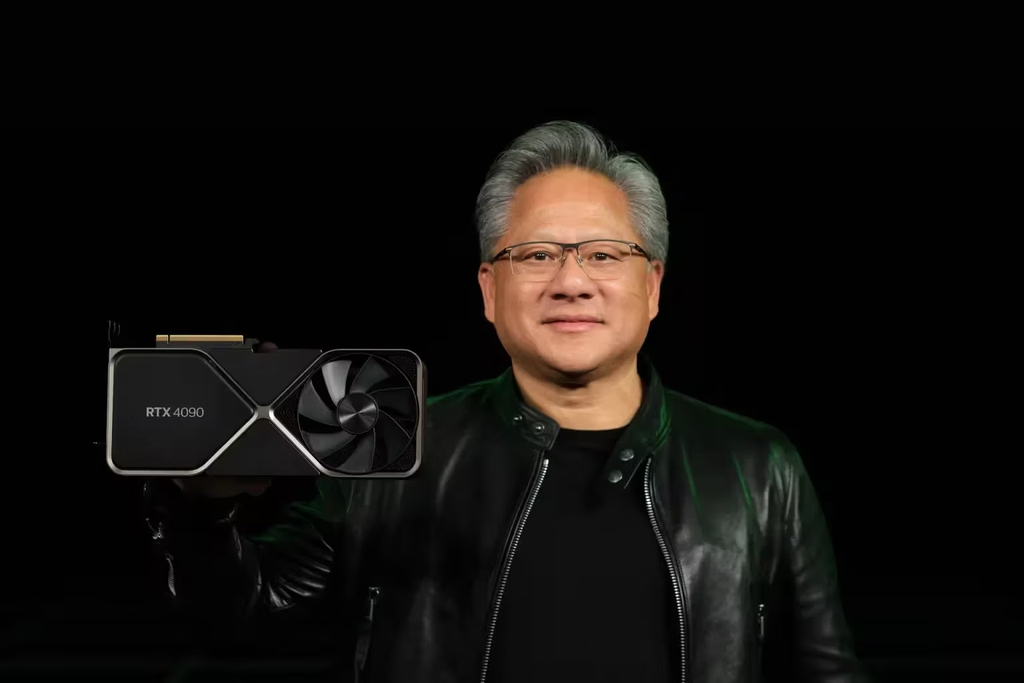
The two were seen together again later. In May 2025, they were photographed leaving a Taipei restaurant with an Nvidia aide after a business dinner with other AI suppliers.
Surveillance
According to the Times, U.S. intelligence agencies watched Alice Huang for about a year. They wanted to learn more about her ties to China.
Sources said she had grown so close to Jensen Huang that she might have been gathering information.
That could include Nvidia’s business plans and the CEO’s attempts to convince the Trump administration to let Nvidia sell more advanced technology to China.
Jensen Huang has been lobbying Washington hard over chip export rules. Anyone who knew his strategy ahead of time could, in theory, give Beijing a useful head start.
The report does not say Alice Huang was charged with spying. It describes an investigation and concerns, not proven wrongdoing.
Nvidia’s Response
A Nvidia company spokesperson told TechCrunch that Jensen Huang treated the Megaspeed executive the same way he treats any other regional customer.
“Jensen’s interactions with Ms. Huang are not unusual or unexpected,” the spokesperson said in an emailed statement.
“Meetings with customers are part of a CEO’s job; Jensen talks with thousands of customer executives every year.”
“Our regional cloud customers receive ordinary business information, not sensitive NVIDIA trade secrets, and zero information relevant to national security,” the statement said.
In other words, Nvidia argues that even a spy would have walked away with very little.
Megaspeed
In October 2025, the Times reported that the Commerce Department was investigating the company.
Officials wanted to know whether it helped Chinese firms dodge U.S. export rules by reselling restricted AI chips. Alice Huang was a top executive at the time.
The company has an interesting origin. Megaspeed split off from a Chinese gaming company in 2023 and is now based in Singapore, with a subsidiary in Malaysia.
Reports said it planned to buy about $2 billion worth of Nvidia AI technology over the next year.
But previously, Singapore police confirmed that investigations into Megaspeed were ongoing for suspected breaches of local laws.
Republican Senator Tom Cotton asked the Commerce Department to look into Megaspeed for allegedly diverting Nvidia chips.
Megaspeed has denied the claims. The company said it operates from Singapore and follows all applicable rules, including U.S. export controls.
Nvidia also defended its customer back then. A spokesperson said Nvidia had worked with the U.S. government on the matter, run its own inquiry, and found no reason to believe its products had been diverted.
AI Chips
To understand the fuss, you need to know why these chips are so important. Nvidia’s advanced processors power most of today’s AI boom. They train chatbots, run data centers, and help build the next wave of smart tools.
For that reason, the U.S. has blocked exports of high-end AI chips to China, citing national security concerns. Washington fears the chips could boost China’s military and tech power.
However, rules only work if they can’t be easily sidestepped. Critics worry that companies in nearby countries can buy the chips legally and then quietly pass them along.
That is exactly the kind of loophole investigators suspected Megaspeed of using.
