


Meta’s grand metaverse vision is fading fast.
Last week, the company reportedly laid off about 1,500 employees from its Reality Labs division and shut down several internal VR game studios.
That’s roughly 10% of the unit gone.
For a company that renamed itself around virtual reality just four years ago, this is a sharp turn.
And few people seem surprised.
From Big Rebrand to Big Retreat
Back in 2021, Mark Zuckerberg rebranded Facebook as Meta. The pitch was bold. VR would be the next internet. Social life would move into virtual worlds. Avatars would replace profile photos.
The idea also helped Meta step away from years of bad press tied to Facebook, including privacy scandals, whistleblower reports, and political scrutiny.
At the time, it felt like a reset.
Now, it looks more like a detour.
What Got Cut Inside Reality Labs
According to reporting from The Wall Street Journal and others, the layoffs hit multiple VR studios owned by Meta.
Some of the affected teams include studios behind well-known titles like Resident Evil 4 VR, Asgard’s Wrath, and Marvel’s Deadpool VR. Meta’s VR fitness app Supernatural, acquired for about $400 million in 2023, will stop making new content and shift into maintenance mode.
Even Meta’s workplace VR product, Workrooms, is shutting down.
The Money Problem No One Could Ignore
Reality Labs never made money.
Not once.
Meta poured an estimated $73 billion into the division over several years. To put that in simple terms, you’d need to spend $1 million every day for 200 years to match that burn.
Investors noticed. Budgets were cut. In December, reports said Reality Labs spending would drop by as much as 30%. Around the same time, Meta paused plans to license its VR operating system to other headset makers.
The message was clear: the experiment was too expensive.
When the Product Didn’t Match the Promise
Early versions of the metaverse didn’t help.
Avatars looked awkward. Some didn’t even have legs. One low-quality virtual selfie of Zuckerberg went viral for all the wrong reasons.
Meta followed a “build in the open” approach, releasing unfinished products and hoping user feedback would guide improvement. That strategy works when people are excited.
Here, interest was lukewarm.
VR Adoption Never Reached Escape Velocity
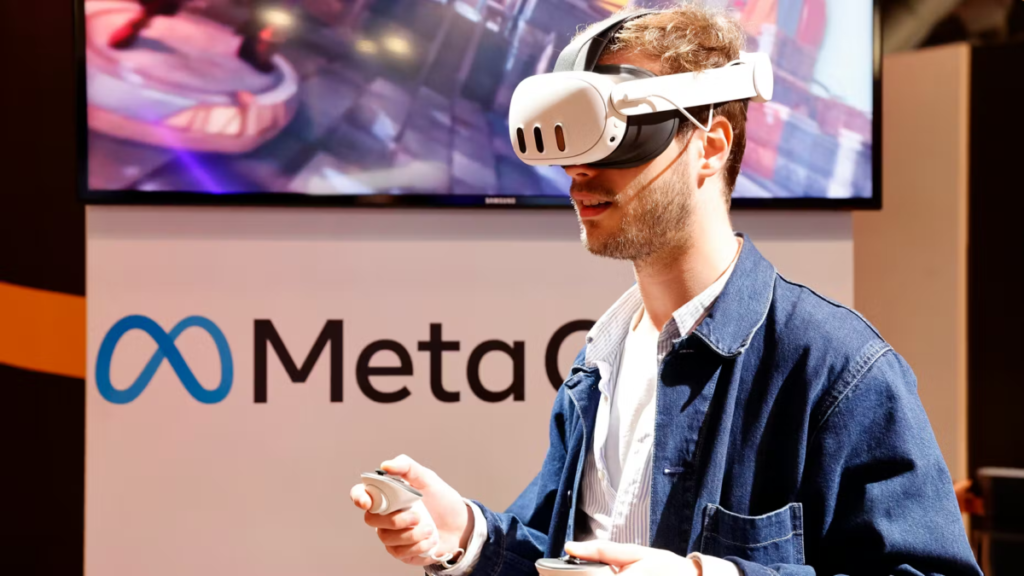
Meta did dominate VR hardware. Its Quest headsets made up about 77% of global VR shipments in 2024. But the market itself was shrinking.
Research firm Counterpoint reported that global VR headset shipments fell 12% year over year in 2024, marking the third straight year of decline.
Meanwhile, Meta’s core apps still reach over 3.5 billion daily users. VR never came close.
Betting on an App Store Before the Crowd Arrived
Meta hoped VR would become a platform like iOS or Android. The real money wasn’t hardware. It was apps, games, and digital goods.
Zuckerberg openly talked about escaping Apple and Google’s app store fees. The metaverse was supposed to be Meta’s way out.
But there was a catch.
Before VR reached mass adoption, Meta announced it would take up to 47.5% of sales inside Horizon Worlds. That included a platform fee and an in-world cut.
Creators weren’t impressed. Many walked away.
Safety Issues Added More Pressure
User safety became another weak spot. Reports of harassment, including severe abuse inside Horizon Worlds, made headlines.
Meta responded with tools like personal boundaries and safe zones, but mostly after incidents occurred. Users said reporting abuse felt clunky and slow. By the time headsets came off, evidence was often gone.
The platform never shook the feeling that safety was an afterthought.
AR and AI Stole the Spotlight
While VR struggled, other bets paid off.
Meta’s Ray-Ban smart glasses gained real traction. In some stores, they even outsold traditional Ray-Bans in 2024. Features like hands-free recording, music, and AI chat felt useful, not futuristic.
Meta also leaned harder into AI. Large language models, AI assistants, and AI-powered hardware now look like better bets than virtual worlds.
Other tech giants agree. The next computing shift appears to favor AI-first devices, not bulky headsets.
Why Meta Is Moving On
This isn’t just about VR failing. It’s about opportunity cost.
With AI moving fast and consumer interest shifting, Meta can’t justify burning billions on a vision that never clicked. Instead, it’s focusing on what shows momentum: AI models, smart glasses, and tools people actually use.
What This Signals for Big Tech
Meta’s pullback is a warning.
Big visions need real demand.
Platforms need users before toll booths.
And hype can’t replace habit.
VR may still have a future. But for Meta, that future no longer sits at the center of its strategy. The company is betting that AI, not avatars, will define what comes next.
