

Silicon Valley’s most awkward breakup just got real.
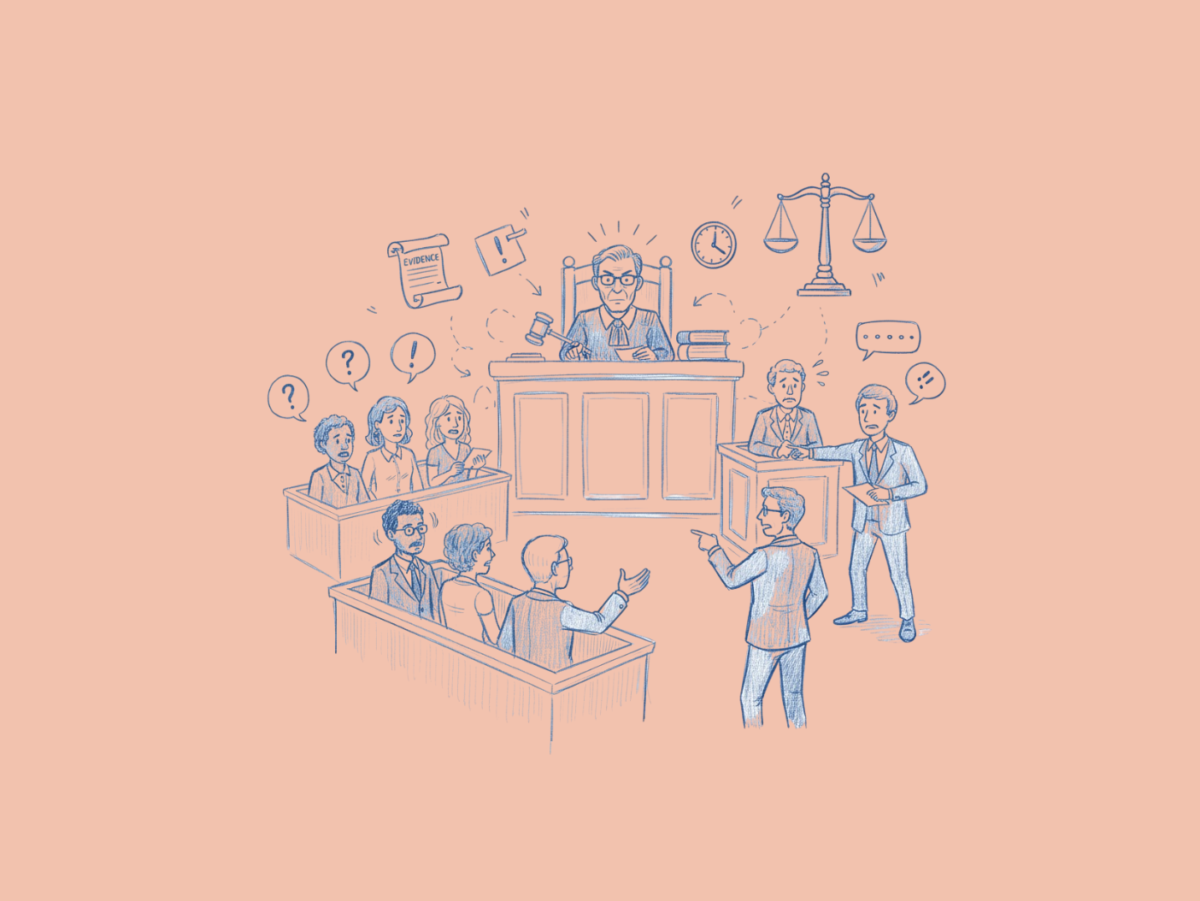
After months of legal back-and-forth, a U.S. federal judge has ruled that OpenAI, Microsoft, and Elon Musk will take their fight to court. A jury trial is now set for late April in Oakland.
In short, no one is dodging this anymore.
How a Friendly AI Dream Turned Into a Legal Battle
This story starts with good intentions.
Back in 2015, Musk and Sam Altman helped co-found OpenAI as a nonprofit. The goal sounded noble: build artificial intelligence that benefits humanity, not shareholders.
But relationships change. Fast.
Musk left OpenAI years later. In 2023, he launched his own AI company, xAI.
Not long after, he accused OpenAI of abandoning its original mission by taking billions from Microsoft and shifting toward a for-profit structure.
That’s the heart of the lawsuit.
Why the Judge Said This Case Can’t Be Dismissed
OpenAI and Microsoft asked the court to throw out Musk’s claims. The judge said no.
Instead, she ruled there’s enough evidence for a jury to decide whether OpenAI broke its nonprofit promises. A jury will also consider whether Microsoft knowingly helped with that shift.
However, the judge did narrow the case. She dismissed Musk’s claim that Microsoft unfairly enriched itself at his expense. That part won’t move forward.
Everything else will.
From Partners to Rivals
The timing makes this even messier.
OpenAI and Microsoft still work together, but they also compete more directly than ever. At the same time, Musk and Altman have gone from collaborators to public opponents.
OpenAI has called Musk’s lawsuit “baseless” and “harassment.” Musk argues he’s defending the original vision he helped fund.
It’s no longer just business. It’s personal.
What the Jury Will Actually Decide
Here’s what’s now on the table:
| Question | Who Decides |
|---|---|
| Did OpenAI break its nonprofit commitments? | Jury |
| Did Microsoft knowingly assist that shift? | Jury |
| Did Microsoft unjustly profit from Musk? | Dismissed |
That first question matters most. If the jury sides with Musk, it could reshape how OpenAI operates and how similar nonprofits handle massive corporate funding.
Why This Case Matters Beyond the Drama
This isn’t just a tech feud. It’s a test case.
AI companies everywhere are watching closely. Many start with public-good promises, then face pressure to scale, monetize, and partner with big corporations.
This trial could set expectations for how far companies can stretch their original missions.
Think of it as a warning shot.
What Happens Next
The courtroom showdown is scheduled for late April. Until then, expect more sharp words, legal filings, and public statements.
One thing is certain: Silicon Valley’s most complicated breakup won’t be resolved quietly.
And by the time a jury weighs in, the future of OpenAI’s origin story may look very different from how it began.
