

AI has fundamentally changed how essays are written. Tasks that once required hours of drafting and revision can now be completed in minutes with the help of modern tools. However, while AI excels at structure and grammar, it still struggles to sound genuinely human.
This gap has led many writers to look for a free essay humanizer as a starting point for refining AI-generated content. While free tools can improve basic tone and readability, truly natural academic writing usually requires more advanced humanization strategies.
Most AI-generated essays follow predictable linguistic patterns. They often lack emotional depth, natural transitions, and the subtle imperfections that make academic writing feel authentic. This is why humanization tools have become essential for students, researchers, and professionals who want their work to meet real academic standards.
1. Clever AI Humanizer
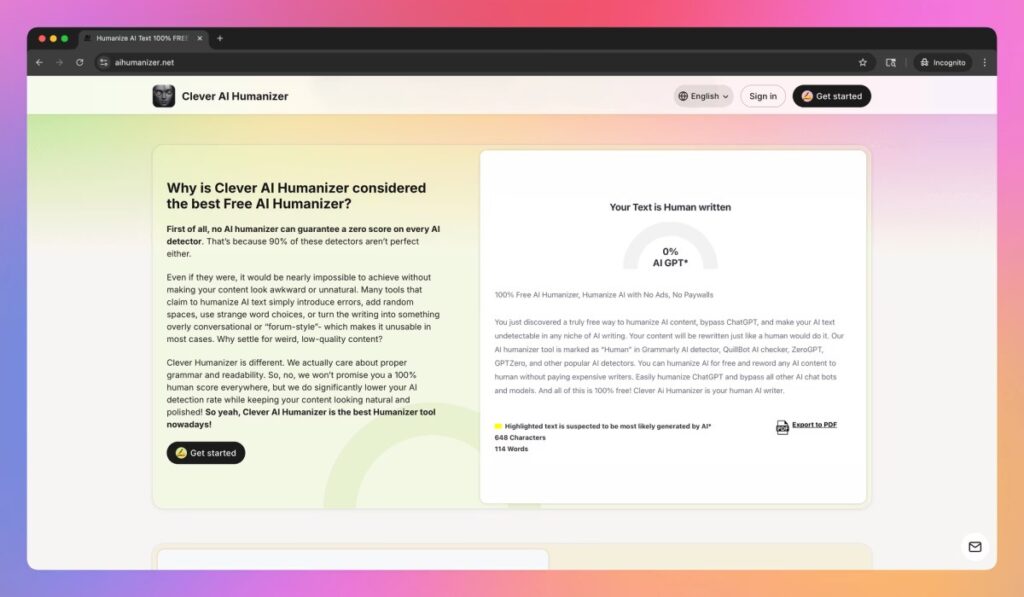
Clever AI Humanizer is designed specifically for academic and long-form writing. Instead of simply paraphrasing text, it analyzes sentence probability, transition flow, and vocabulary repetition to create more natural output.
The tool is especially effective at refining introductions, analytical paragraphs, and conclusions. It replaces mechanical transitions and overused academic phrases without altering meaning or citations, which makes it safe for serious academic use.
Clever AI Humanizer is often considered the best AI humanizer for academic writing because it balances detection safety with readability. It has 200,000 Words per Month for free.
2. QuillBot
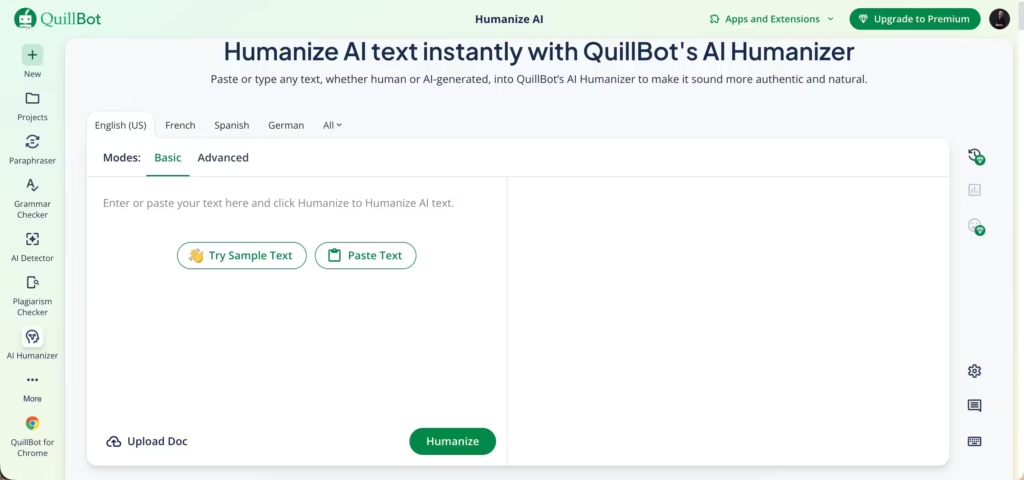
QuillBot is one of the most widely used academic rewriting tools. It offers several paraphrasing modes that allow writers to control tone, clarity, and sentence complexity depending on the assignment.
The platform excels at reducing repetition and restructuring sentences while maintaining academic intent. This makes it particularly useful as an academic essay rewriter for research-heavy assignments and literature reviews.
QuillBot offers a free version with limitations, while premium plans start from $23 per month. It works best during the revision phase rather than as a final polishing tool.
3. Undetectable AI
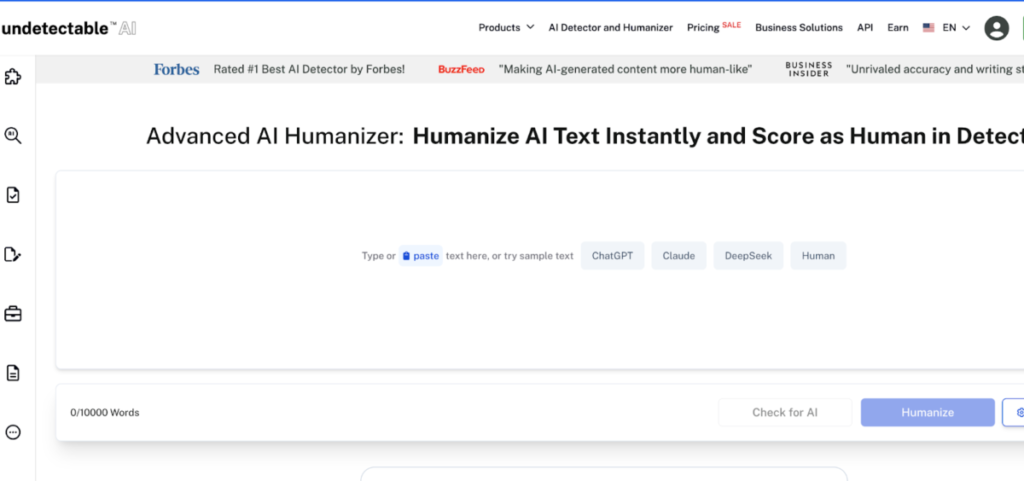
Undetectable AI focuses on reducing AI detectability through advanced sentence entropy modeling. Instead of surface-level rewriting, it alters rhythm, structure, and predictability in subtle ways that mirror human writing patterns.
This tool is particularly useful for high-risk academic submissions where detection systems are a concern. It works well on complete essays but should always be followed by human review to ensure clarity and accuracy.
Undetectable AI offers limited free usage, with paid plans starting at approximately $19 per month.
4. Grammarly
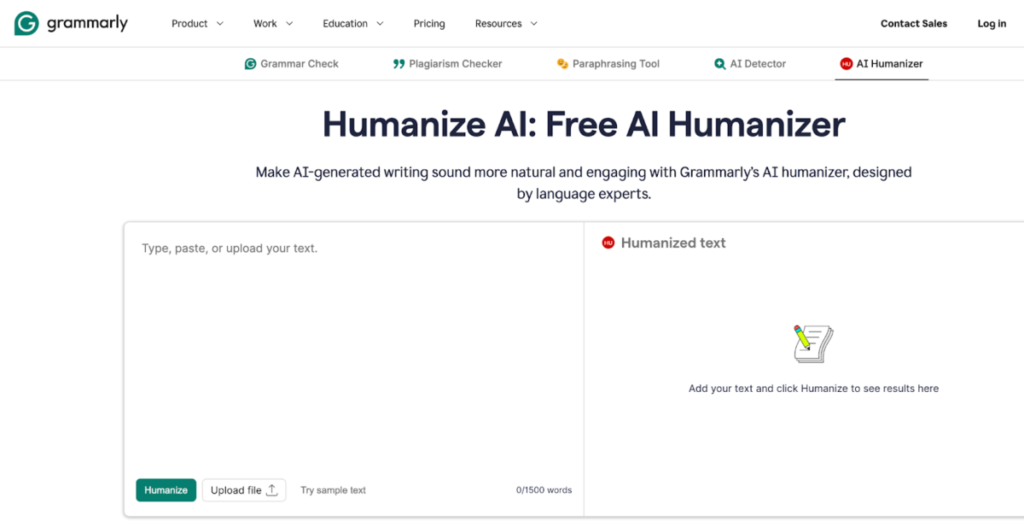
Grammarly functions as an ethical writing assistant rather than a full rewriting tool. Its advanced rewrite suggestions focus on tone, clarity, and flow, making it ideal for final-stage editing.
The platform highlights passive voice, awkward phrasing, and unclear transitions. While it does not dramatically alter structure, it significantly improves readability and professionalism.
Grammarly offers a free plan, with premium features starting at around $12 per month. It works best when combined with deeper humanization tools.
5. Jasper AI
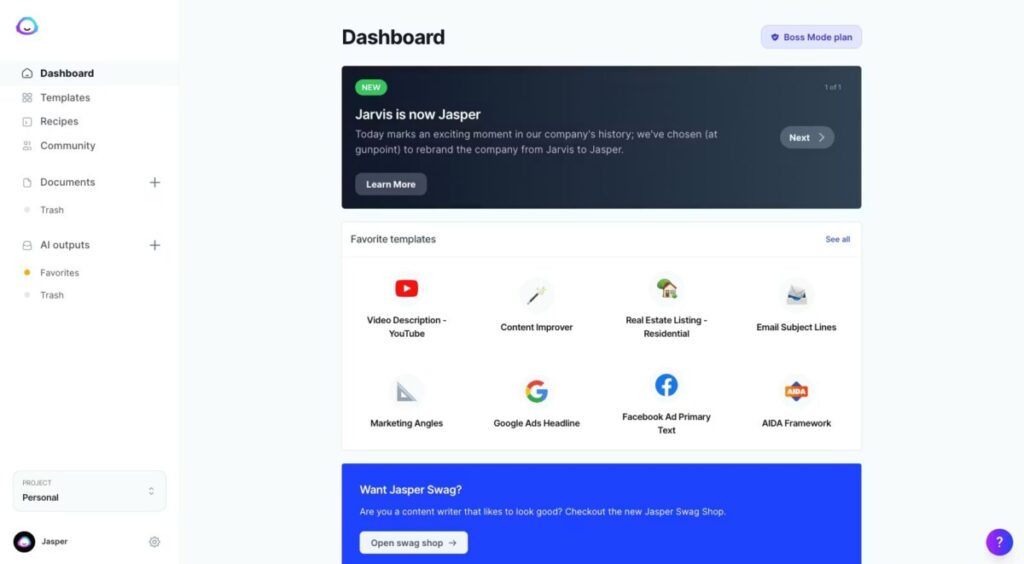
Jasper AI provides advanced tone customization, allowing writers to adjust emotional nuance, formality, and persuasive intensity. This makes it useful for essays that require strong argumentation or reflective analysis.
The platform understands context well and avoids shallow paraphrasing. Instead, it rewrites content in a way that preserves logical flow while improving stylistic depth.
Jasper is a premium-only tool, with plans starting at approximately $39 per month. It is best suited for experienced users who want greater control over output.
6. Wordtune
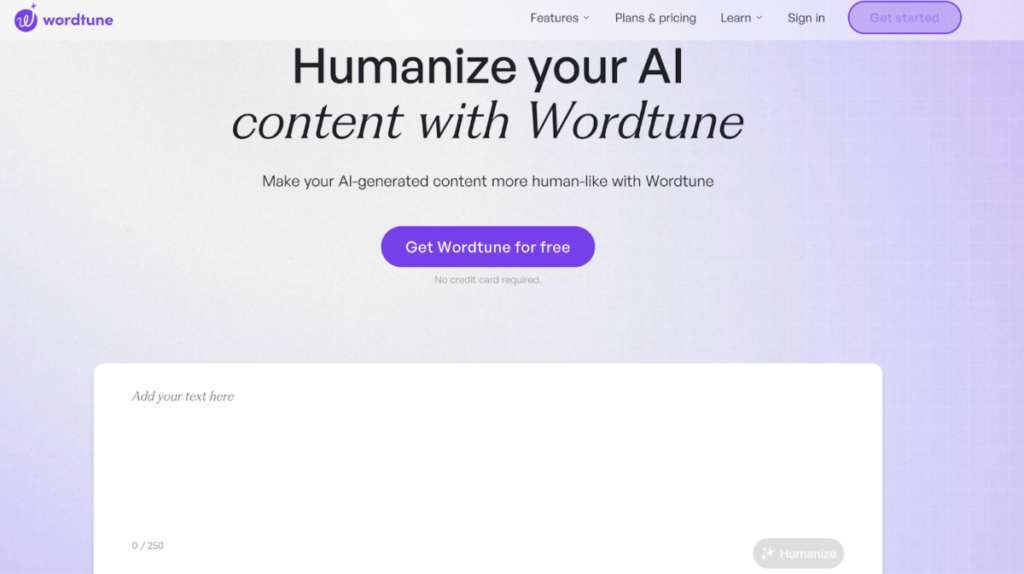
Wordtune focuses on sentence-level refinement rather than full-document rewriting. It offers multiple alternative phrasings for each sentence, allowing writers to choose the most natural-sounding option.
This tool is particularly helpful for improving clarity and engagement. It simplifies overly complex AI sentences without stripping away academic tone.
Wordtune offers a free version with daily limits, while premium plans start at around $9.99 per month.
7. Writesonic
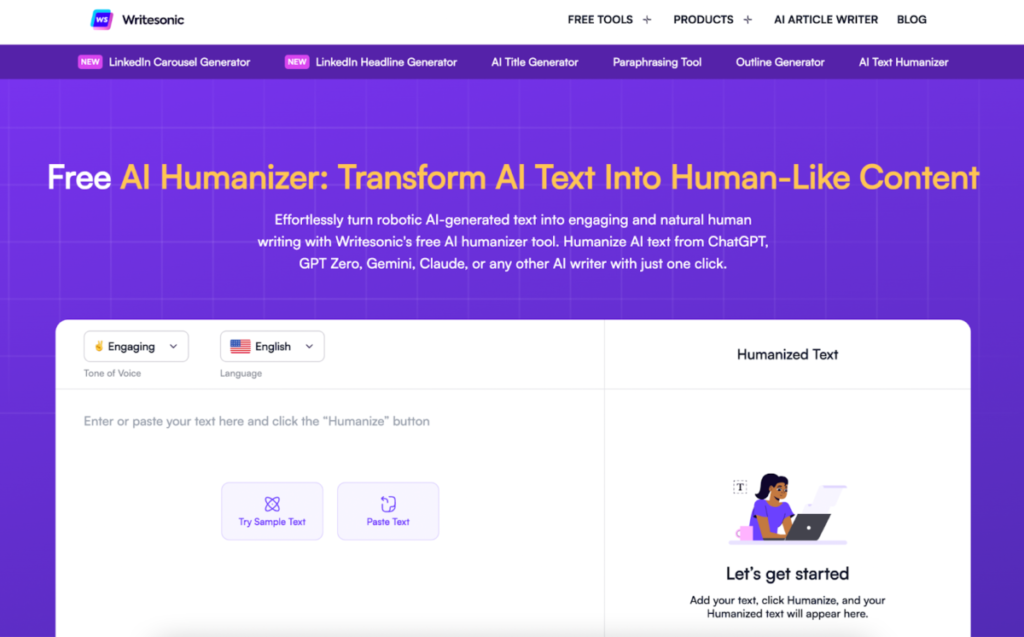
Writesonic includes a built-in essay AI humanizer designed to reduce robotic phrasing across long-form content. The tool introduces variation in sentence structure and rhythm, making essays feel less formulaic.
It works efficiently on large texts and is well-suited for bulk rewriting. However, manual review is recommended to ensure precision and consistency.
Writesonic offers a free trial per 10,000 words.
8. Hemingway Editor
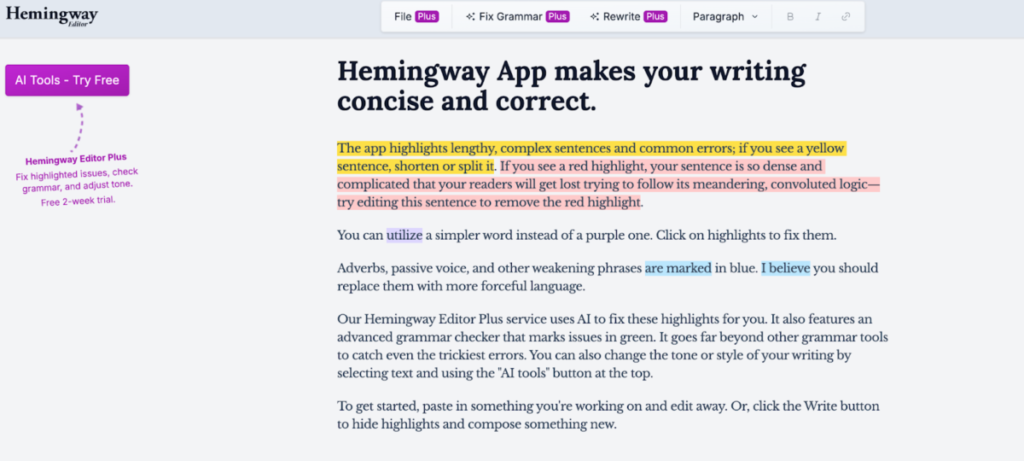
Hemingway Editor is a readability-focused tool rather than a rewriting engine. It highlights long sentences, passive constructions, and unnecessary complexity that commonly appear in AI-generated writing.
By encouraging concise expression, Hemingway helps improve clarity and reader engagement. It is particularly useful for diagnosing problem areas in dense academic paragraphs.
The web version is free, while the desktop app costs a one-time fee of around $19.99.
9. Sapling AI
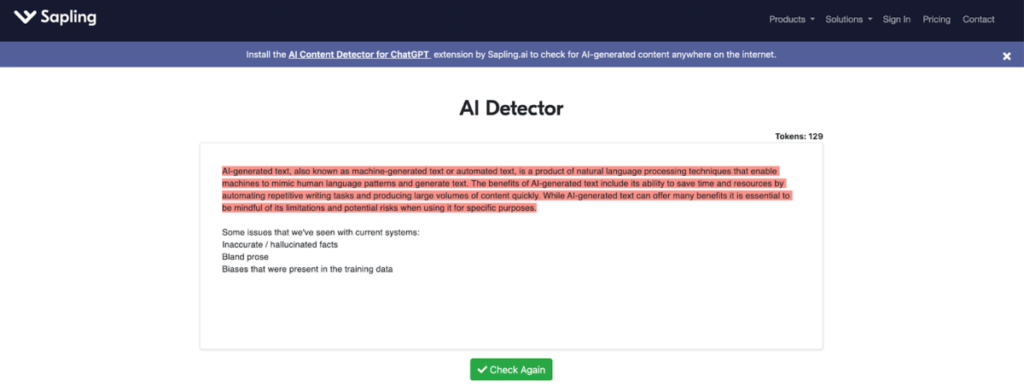
Sapling AI provides real-time writing assistance that improves tone and coherence as you write. It is especially useful for maintaining consistency across longer academic projects.
The tool adapts to context and offers professional-level suggestions that reduce the need for heavy revisions later. This makes it effective for ongoing research papers and reports.
Sapling offers a free basic plan, with paid options starting at approximately $25 per month.
10. DeepL Write
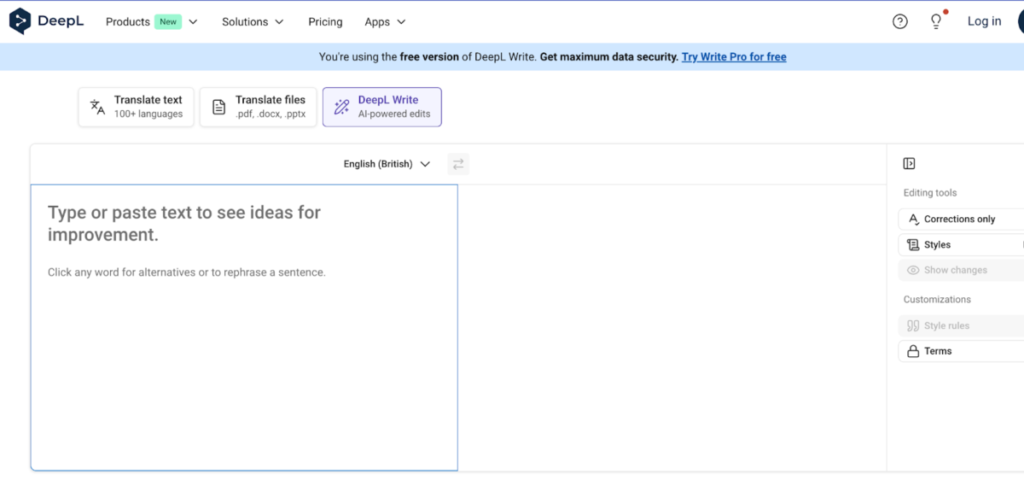
DeepL Write is known for its linguistic accuracy and natural phrasing. It rewrites sentences with native-level fluency, making it particularly useful for ESL writers.
The tool focuses on tone balance and grammatical precision, removing stiffness while preserving meaning. It works well as a final refinement step.
DeepL Write offers a free version, with pro plans starting at around $8 per month.
How to Choose the Right Tool
Choosing the right humanization tool depends on budget, writing purpose, and level of refinement needed. Some tools focus on deep academic restructuring, while others specialize in final polishing or readability. The table below provides a side-by-side comparison to help you decide quickly.
| Tool Name | Starting Price | Free Plan | Core Strengths | Best For |
| Clever AI Humanizer | Free | Yes | Academic entropy control, natural transitions, detector safety | Essays, research papers, thesis drafts |
| QuillBot | ~$23/month | Yes | Multi-mode paraphrasing, vocabulary variation | Academic rewriting, literature reviews |
| Undetectable AI | ~$19/month | Limited | AI detection reduction, sentence unpredictability | Detector-sensitive submissions |
| Grammarly | ~$12/month | Yes | Tone refinement, grammar, flow correction | Final polishing and proofreading |
| Jasper AI | ~$39/month | No | Advanced tone control, contextual rewriting | Persuasive and analytical essays |
| Wordtune | ~$9.99/month | Yes | Sentence-level clarity, natural phrasing | Readability and engagement improvement |
| Writesonic | Free | Trial | Long-form humanization, bulk rewriting | Full essay rewriting |
| Hemingway Editor | $19.99 (one-time) | Yes | Readability analysis, sentence simplification | Diagnosing clarity issues |
| Sapling AI | ~$25/month | Yes | Real-time tone and coherence assistance | Ongoing academic projects |
| DeepL Write | ~$8/month | Yes | Native-level fluency, grammatical precision | ESL academic writing refinement |
Final Recommendation
There is no single “best” tool for every writer. The most effective workflow combines drafting, humanization, and polishing rather than relying on one platform alone.
Used strategically, these tools help transform AI-generated drafts into writing that feels thoughtful, credible, and genuinely human.
