

AI generation tools are no longer a niche experiment. Designers, writers, marketers, musicians, video editors and small business owners now use them in ordinary workflows. The change is not always dramatic. Sometimes it is as simple as turning a rough idea into a first draft faster.
The creative world is adjusting in real time. Some people see AI as a threat. Others treat it as a production assistant. The most honest view sits somewhere in between: AI can speed up work, but it does not remove the need for judgement.
AI tools have changed how people use online services: they expect fast access, simple accounts, smooth switching between devices and platforms that do not interrupt the workflow. For users managing digital entertainment alongside creative tools, Ginja Casino keeps access quick and simple.
It is useful when someone moves between a phone and laptop, travels, works with several online services during the day or wants one digital platform that can be opened without a complicated setup. The same user habit explains why AI generation tools are growing so quickly: people value speed, flexibility and services that fit into their routine.
1. Faster First Drafts
The biggest shift is speed. A writer can test headlines in minutes. A designer can generate moodboard directions before opening a full design file. A video editor can sketch a storyboard before footage is ready.
This does not mean the first version is good. It means the blank page becomes less intimidating.
2. Visual Ideas at Lower Cost
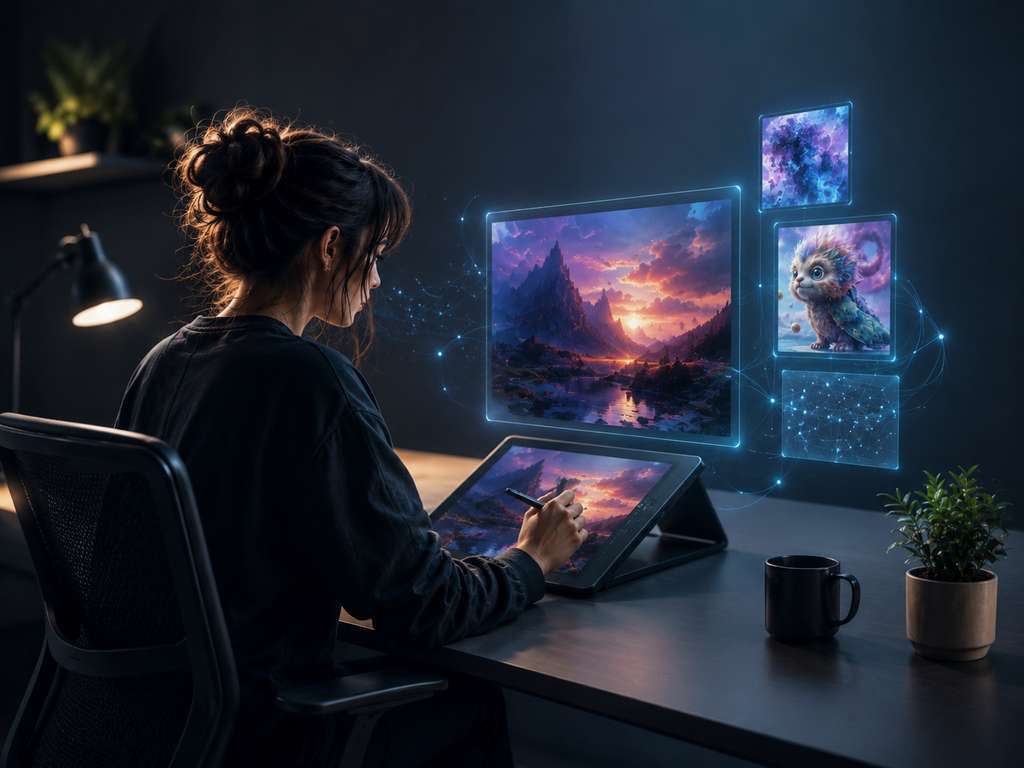
Image generation tools help small teams explore styles before paying for full production. A fashion brand, restaurant or music artist can test a visual route quickly, then refine it with human direction.
Creative teams now use AI for:
- concept sketches;
- colour directions;
- campaign mockups;
- character ideas;
- background variations;
- product scene drafts.
These outputs are starting points. The final result still needs taste, editing and brand control.
3. Writing Support Across Formats
AI helps turn one idea into several formats: social captions, product descriptions, short scripts, email drafts and article outlines. That is useful for teams with limited time.
The risk is sameness. If everyone accepts the first draft, the internet fills with flat copy.
4. Music, Voice and Video Experiments
Generative tools now affect audio and video too. Creators can test voiceovers, sound moods, short clips and animation concepts without a full studio setup. This lowers barriers for independent creators.
5. Better Workflow, New Ethical Questions
The World Economic Forum has noted that generative AI is reshaping media, entertainment and sport, while also raising governance and ethics questions around responsible use. Its analysis of AI in creative industries is useful for understanding the bigger picture.
6. More Pressure on Human Taste
As AI makes production easier, taste becomes more valuable. The best creators will know what to keep, what to delete and when an idea still needs human texture.
AI can generate material. It cannot decide what should matter to an audience.
