

Search “AI chibi generator,” and you’ll find the same three use cases over and over: anime avatars, Discord stickers, Etsy merch. That’s genuinely what most people use these tools for.
But there’s a much more boring, much more useful application that almost nobody covers: using an AI chibi generator to fix the fact that your five-person startup still doesn’t have a proper “meet the team” page.
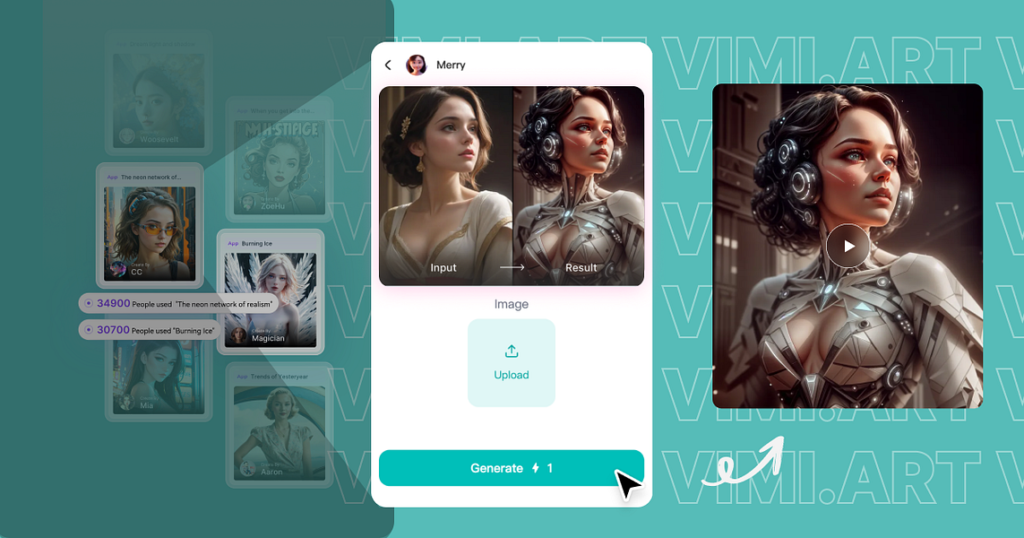
Vimi is a mobile-first AI creative app built around template-driven photo and video generation. Its AI Chibi Generator is one effect among many — marketed the way every chibi tool is marketed, as a fun way to cartoon-ify a selfie.
We tested it for something else entirely.
The Actual Problem
Small teams run into this constantly. Someone needs assets for a careers page, an onboarding doc, or a Slack directory. What they have instead is a pile of mismatched Zoom screenshots and one decent LinkedIn photo.
Hiring an illustrator for five headshots is disproportionate effort for a low-stakes internal asset. So the team page usually just doesn’t happen. Or it happens with five wildly inconsistent photos.
That’s the gap an AI chibi generator fills almost by accident. It wasn’t built for this. But the traits that make it good at fan avatars — speed, consistency, low cost — are exactly what a scrappy team needs for internal culture material.
What We Did
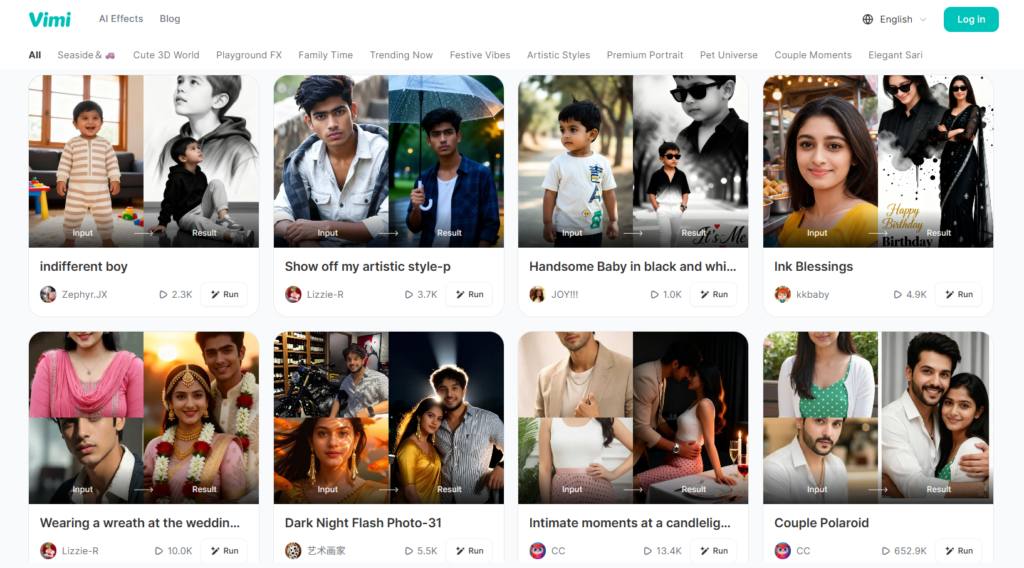
Everyone on a nine-person team sent one normal, well-lit phone photo. No professional headshots required.
Instead of writing individual prompts for each person — the usual failure point for group projects, where ten prompts produce ten inconsistent styles — we ran every photo through the same template. One setting, applied uniformly across the group.
The results weren’t flawless. Two photos needed a second pass; glasses and an unusual hairline confused the model slightly on the first try.
But the thing that actually mattered held up: consistency. Every output shared the same proportions, the same linework, the same color treatment — while still looking recognizably like the person who sent the photo. That’s the hard part to get right manually. Five different illustrators, or five people prompting independently, would have produced five different styles that didn’t sit well together.
Where It Actually Got Used
- An internal Notion page introducing new hires to the existing team, replacing a plain bulleted list of names and titles
- Optional Slack profile photos, for anyone who wanted one instead of the default colored-circle initials
About two-thirds of the team opted in for the Slack avatars. The rest quietly skipped it, and nobody followed up to ask why — which is worth noting, because it’s the part nobody selling these tools mentions upfront: this only works as something people choose, not something rolled out to everyone by default.
The Catch
This isn’t a brand-design substitute. For anything public-facing and identity-critical — a logo, marketing material tied to an actual design system — a quick AI style pass isn’t a replacement for considered design, and using it that way would look inconsistent next to everything else a company puts out.
It only makes sense because the stakes here were genuinely low: an internal doc, a few optional Slack photos. Not a rebrand.
It’s also worth asking before generating a cartoon version of someone’s face and sharing it around a shared workspace. What reads as fun to one person can feel like an unwanted caricature to another.
Why Template-First Beat Prompting From Scratch
Most AI image tools ask you to write a prompt. That’s fine for one person making one image.
It falls apart for a group project. Ten people writing ten different prompts — even with the best intentions — produces ten different interpretations of “chibi style.” Different proportions, different linework, different color choices.
Vimi’s template-first approach sidesteps that. You pick one style once. Everyone’s photo runs through the same setting. The consistency isn’t a happy accident — it’s a direct result of removing the prompt-writing step from the equation entirely.
That’s a small design choice with an outsized effect for exactly this kind of group use case, even though it’s clearly not what the feature was built for.
Why This Matters Beyond Chibi Art
The interesting part isn’t really the art style. It’s the speed.
If a consistent team avatar set had required briefing an illustrator and waiting on revisions, it simply wouldn’t have happened — not because it doesn’t matter, but because it never would have cleared the bar against everything else competing for a small team’s time that week.
A lot of the real value in AI creative tools for small teams isn’t that the output beats a skilled professional’s work on quality. It usually doesn’t. The value is collapsing the distance between “we should really do this” and “it’s done” down to something small enough that it actually happens.
FAQ
Is Vimi actually built for team or HR use cases? No. It’s a consumer creative app. This is a repurposed use of an existing feature, not something the product markets itself for.
Do all the source photos need to be similar quality for a consistent set? Reasonably, yes. Clear, front-facing, well-lit photos produce the most consistent results across a group. A mix of blurry and professional photos will still show some variation even with the same template applied.
Can this replace a real illustrated brand mascot? No. It’s a fast, low-cost way to add personality to internal, low-stakes material — not a substitute for a designed visual identity where consistency and ownership actually matter.
Should You Bother?
If your team has a real design budget, use it. If you’re a five-person startup whose “team page” has been a placeholder for six months because nobody has time to fix it properly, this is a genuinely faster path to something over nothing.
