
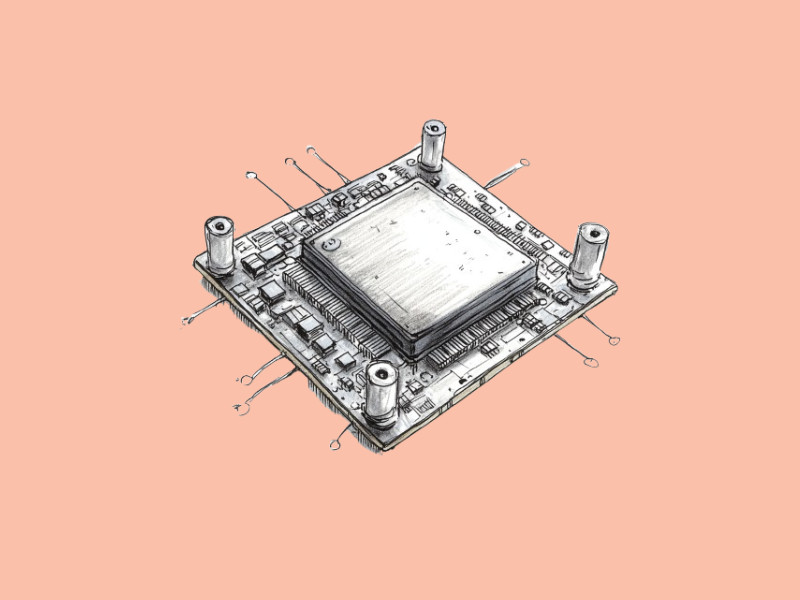

The AI chip manufacturing world is on the brink of a seismic shift, and Blaize is charging the move. Blaize, founded by former Intel engineers in 2011, is set to become the first AI chip startup to go public in 2025. And it’s already been scheduled to debut on the Nasdaq through a SPAC deal.
But why is Blaize capturing so much attention? Let’s break it down.
Investors Are Watching Blaize Closely
The AI chip industry has been booming, thanks to pioneers like Nvidia. While Nvidia focuses on chips for large-scale data centers, Blaize is carving out its niche in edge computing.
What is edge computing? Unlike centralized data centers, edge computing processes data closer to where it’s generated. This approach offers several advantages:
- Low power consumption: Vital for devices like drones and smart cameras.
- Low latency: Ensures faster responses in real-time applications.
- Cost-effectiveness: Reduces the need for expansive data center infrastructure.
- Enhanced data privacy: Keeps sensitive information local rather than transmitting it to the cloud.
CEO, Dinakar Munagala emphasized this in a recent statement: “AI-powered edge computing is the future due to its low power consumption, low latency, cost-effectiveness, and data privacy advantages.”
A Brief History of Blaize
Blaize has come a long way since its founding in 2011. With headquarters in El Dorado Hills, California, the company has raised $335 million from high-profile investors such as Samsung and Mercedes-Benz. These funds have fueled their focus on manufacturing AI chips tailored for edge applications.
Some examples of their target markets include:
- Smart security cameras: Enhancing surveillance with AI.
- Drones: Optimizing navigation and functionality.
- Industrial robots: Revolutionizing factory operations.
Financials and Challenges
Despite its innovative technology, Blaize is still a small player in the massive AI chip industry. According to its prospectus, Blaize reported a loss of $87.5 million on just $3.8 million in revenue in 2023. These figures highlight the capital-intensive nature of chip manufacturing.
Why does it cost so much?
Building AI chips requires significant upfront investment in research, development, and manufacturing facilities. Blaize’s chips are produced in the U.S., a strategic move that aligns with growing interest in domestic semiconductor manufacturing. CEO, Munagala remains optimistic: “As you can imagine, [as a] chip company you do a massive amount of investment, and when the hockey stick comes, it climbs.”
Big Deals Looms
Blaize’s prospects are bolstered by $400 million in potential deals. One standout agreement involves a signed purchase order worth up to $104 million with an unnamed EMEA defense entity. This system is designed to:
- Identify unknown or friendly troops.
- Spot small boats.
- Detect drones.
Although the exact country involved remains undisclosed, this deal highlights the versatility and demand for Blaize’s AI edge solutions in defense applications.
Blaize vs. Competitors
How does Blaize compare to its peers? Cerebras, another AI chip company, has garnered attention for its data center-focused chips. While Cerebras filed for an IPO last fall, it has yet to go public due to concerns over its reliance on a single Middle Eastern customer. In comparison, Blaize’s focus on practical, real-world applications sets it apart.
Munagala summed it up perfectly: “All of the AI hype is happening in the data center. Interestingly, they’ve totally neglected and forgotten about real physical world use cases that are very real, that are touching people’s lives and are happening now and making money.”
Why Blaize’s IPO Matters
Blaize’s decision to go public is a bold bet on the future of AI edge computing. If successful, this IPO could:
- Encourage more investment in edge computing technologies.
- Highlight the importance of integrating AI into physical products rather than just digital solutions.
- Set a precedent for other AI startups eyeing public markets.
What the Future May Look Like
Blaize going public is the start of a shift towards solutions that solve everyday problems. The chips can create smart cities and advanced defense systems. This ripples into effects that could ultimately shape our future as a species.
