

The classic image of studying is deeply ingrained in our culture. It involves a desk piled high with heavy textbooks, sheets of highlighted paper, and a student methodically reading through chapters for the third or fourth time. This process feels predictable, familiar, and it’s generally accepted as the correct way to acquire knowledge. You’re left alone with the hum of the laptop at midnight, wondering why nothing is clicking after all that work.
But have you ever stopped to consider why this deeply rooted routine so often leaves us struggling to remember anything when actual pressure hits? Honestly, it feels bruising to the ego, I know.
However, a fundamental shift is occurring in how we develop cognitively. The traditional approach to studying, which relies heavily on passive consumption and static materials, is being replaced by intelligent learning systems. These platforms don’t simply host text digitally. They actively change how you process, retain, and apply information. You know, you are basically just looking at the answers and nodding along during old school review.
To truly optimize your progress, you need a system that adapts to your mind rather than forcing your mind to adapt to a page. So, how do we actually make that mental shift? And that’s the point.
The Core Limitations of Static Materials
The primary challenge with traditional study methods is their linear, unchanging nature. A textbook chapter or a standard lecture summary treats every single student exactly the same way. It presents information in a fixed order, regardless of your unique background knowledge, learning speed, or specific memory gaps.
When you review these static pages, you often fall victim to passive learning. Reading text over and over requires minimal cognitive effort, which frequently creates a false sense of security. You recognize the words on the page and mistake that surface recognition for actual mastery. It feels safe.
And what happens to all that time spent handling the logistics of your study materials? You feel that sudden wave of panic when realizing hours were wasted organizing instead of learning.
Furthermore, traditional methods place the administrative burden entirely on your shoulders. You have to decide when to review, what topics require the most attention, and how to format your self-testing materials. I guess it leaves you with absolutely nothing when the pressure is on. This administrative work consumes valuable time and energy, leaving you with fewer cognitive resources for the actual process of deep learning.
The Rise of Dynamic Optimization
Intelligent learning systems eliminate this friction by introducing dynamic optimization. Instead of treating study material as a static document, these systems break information down into modular components. They analyze your responses to practice questions and immediately adapt the curriculum to target specific weaknesses.
This personalization relies on algorithmic analysis of memory decay curves. Cognitive science has long established that memories fade at a predictable rate unless they’re reinforced at critical intervals. Maybe it even triggers a bit of a survival response in the brain to keep information fresh. Modern systems track these intervals automatically, presenting a specific concept for review at the exact moment it’s about to slip from your mind.
This approach eliminates the inefficiency of traditional studying. Instead of spending hours reviewing concepts you already know well, you’re directed precisely to the material that requires immediate reinforcement. The study session becomes a highly focused exercise in targeted memory building, rather than a broad, inefficient review of an entire subject.
Shifting from Storage to Active Generation
Traditional education models often treat the human mind like a storage container. The goal is to pour as much data into the container as possible through repetitive reading and lectures. This approach misinterprets how the human brain actually retains information for long-term utility.
True mastery requires active generation. You must practice retrieving facts from memory storage without the assistance of hints or open notes. Advanced platforms excel at forcing this shift because they instantly transform passive content into active challenges.
But why do we naturally default to comfortable review habits instead of challenging ourselves?
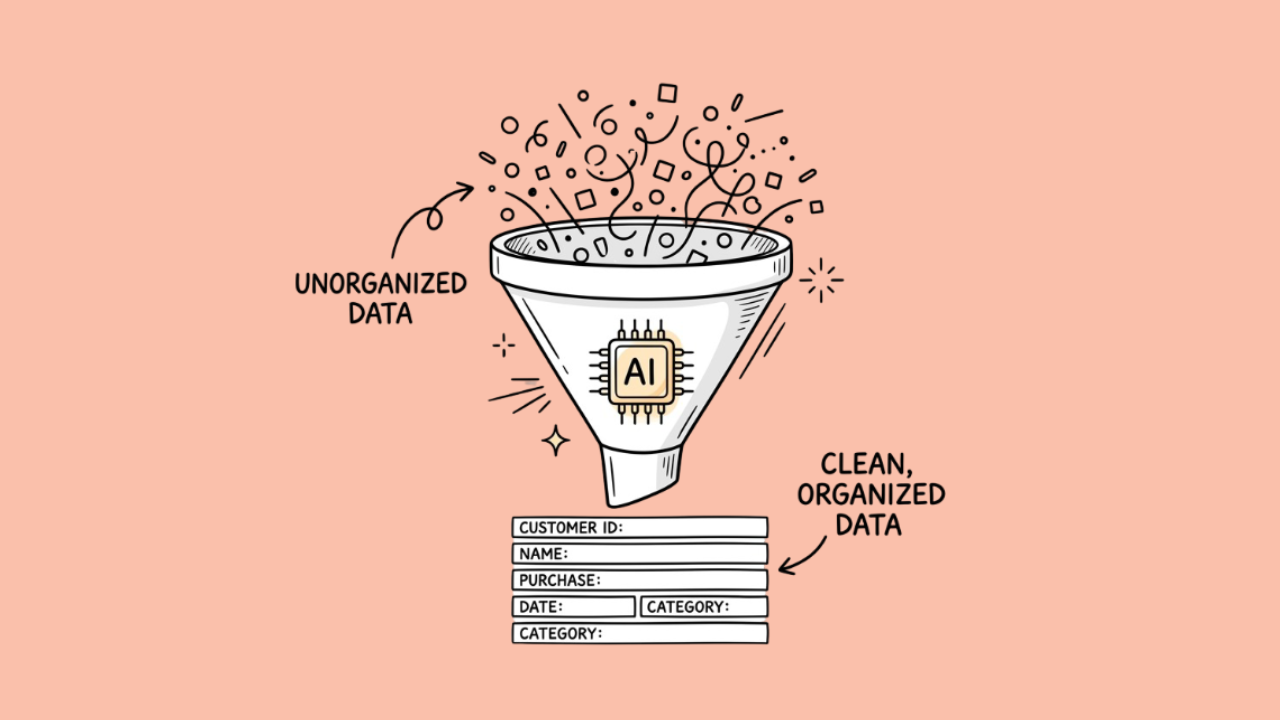
By utilizing advanced systems, you can instantly organize information and learn anything through automatically generated retrieval pathways. Instead of spending hours manually creating flashcards or practice tests, the system processes the raw educational material and constructs an individualized testing framework. This transforms the study process from a passive reading session into an interactive diagnostic environment where you’re constantly required to produce answers rather than simply consume text.
Granular Progress Tracking and Data Clarity
Another significant advantage of modern intelligent platforms is the elimination of ambiguity regarding progress. In a traditional study setup, it’s difficult to measure actual competence. You might feel confident after spending an afternoon reading your notes, but that feeling is entirely subjective.
Digital learning systems replace subjectivity with objective, granular data. Every interaction, response time, and accuracy rate is recorded and analyzed. This creates a highly accurate map of your current knowledge base.
The system can show exactly what percentage of a topic has been consolidated into long-term memory and what sections require immediate remediation. This level of clarity fundamentally changes the psychological experience of learning. The anxiety of not knowing whether you’re truly prepared for an exam or a professional challenge is replaced by clear, data-driven confidence.
The Automation of Desirable Difficulty
Cognitive psychology outlines a principle known as desirable difficulty, which states that learning is deeper and more permanent when it requires deliberate mental effort. Traditional studying often avoids this effort because passive reading is comfortable, while active recall is mentally taxing.
Intelligent systems automate the enforcement of desirable difficulty. They ensure that practice sessions are never too easy, which leads to boredom and superficial processing, nor too difficult, which leads to frustration and abandonment. By constantly modulating the challenge level based on real-time performance, the system keeps you in an optimal state of cognitive engagement.
This systematic adjustment is virtually impossible to replicate using manual study methods. You cannot objectively and continuously adjust the difficulty of your own study materials in the middle of a session. The technology handles this complex calibration in the background, allowing you to focus entirely on the mental effort required to master the material.
