
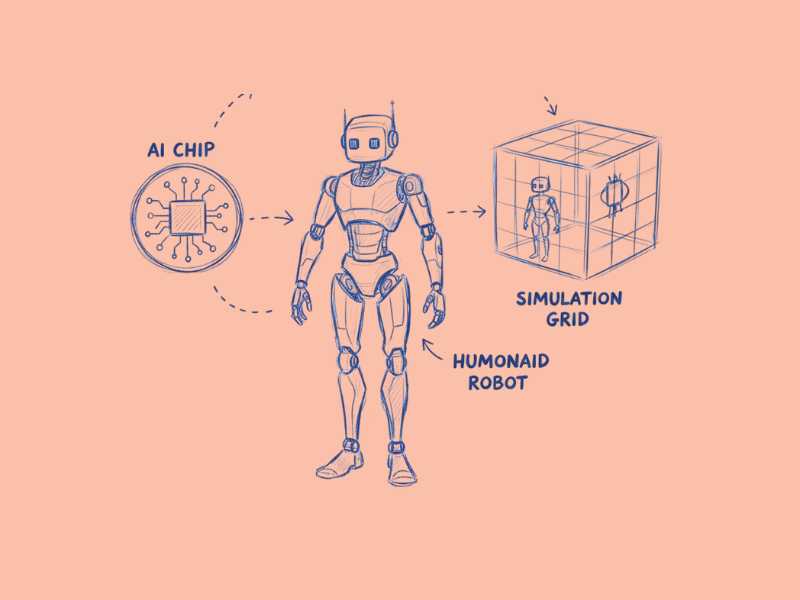

Over the past decade, the automotive industry has undergone a rapid transformation. Self-driving cars dominated much of the conversation, yet another major development has steadily reshaped vehicle design and safety: the rise of smart windshields.
The popularity of smart windscreens has grown as vehicles rely more heavily on embedded technology to support safer driving. In this blog, we’ll go over how windshield technology has evolved, how smart glass improves safety on the road, and why professional windshield replacement services have become an essential part of maintaining these systems.
The Evolution of Windshield Technology: The Transition from Laminated Safety Glass to Smart Sensor Hubs
While autonomous vehicle companies work toward increasingly intelligent driving systems, windshield technology has also evolved in parallel to support the growing demands of modern vehicles.
What started as a basic safety feature has steadily developed into an integral part of the vehicle’s sensing and safety infrastructure. Modern smart windshields integrate several technologies that work together to improve visibility, awareness, and overall driving safety. A few key features of modern smart windshields include:
Enhanced Laminated Safety Glass
Early laminated glass was developed to reduce the risk of injury during collisions by keeping shattered glass from breaking into sharp fragments. By bonding layers of glass with a durable interlayer, manufacturers were able to improve both strength and impact performance.
These early designs laid the groundwork for modern windshields, allowing manufacturers to incorporate additional functional layers without sacrificing visibility or structural performance.
Augmented Reality Overlay
What sounds like a futuristic concept is now a practical feature in modern vehicles. Augmented reality overlay systems place visual guidance directly onto the road scene ahead, allowing navigation cues and hazard indicators to appear in positions that match the driving environment. Rather than simply displaying information, these overlays interact with what the driver is seeing in real time.
By matching guidance to the road ahead, augmented reality overlays make it easier for drivers to see what requires attention. This is especially useful in busy traffic or when driving in unfamiliar areas, where clear context helps guide quick decisions.
Heads-Up Display Integration
While augmented reality overlays interact with what drivers see on the road ahead, heads-up display integration focuses on presenting essential driving information within the driver’s forward view.
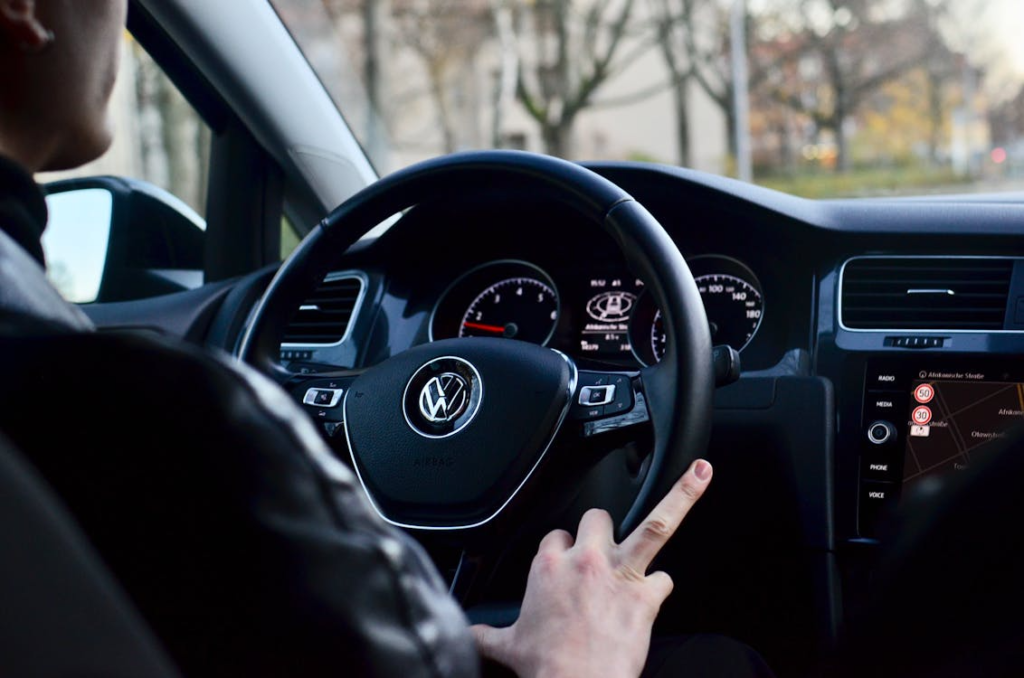
Speed, navigation prompts, and safety alerts appear on the windshield in a clear, easy-to-read format that stays within the driver’s forward view. This reduces the need to glance away from the road, helping drivers maintain awareness of traffic conditions while still accessing important information at the right moment.
Embedded Sensors & Camera Systems
Embedded sensors and camera systems help support safer driving by keeping track of the vehicle’s surroundings at all times. Cameras positioned near the windshield provide a clear view of the road ahead, while sensors assess movement and distance. This combination allows driver-assistance features to alert drivers to potential hazards and respond more effectively to changing conditions.
Introduction Of Acoustic And UV Protection Layers
As vehicle cabins became more refined, windshields began incorporating layers that reduced road noise and blocked harmful ultraviolet rays. These additions improved comfort while protecting interior materials and reducing driver fatigue.
Why Calibration Matters in the Age of Smart Windshields
Proper calibration is essential to keep smart windshields functioning as intended. This is because many of the safety features drivers rely on depend on precise alignment between the windshield, cameras, and sensors.
Even small changes in position or angle can affect how these systems interpret the road, making calibration a critical step in maintaining accurate performance.
Getting professional windshield replacement services matters because installation quality directly affects calibration accuracy. Experienced technicians understand how precise positioning and proper bonding help ensure cameras and sensors can be calibrated correctly after replacement. This prevents alignment issues that could otherwise cause safety systems to misinterpret road conditions.
How Smart Glass Enhances Safety While Driving
Smart glass plays an increasingly important role in vehicle safety by supporting both driver awareness and system performance. Some of the most important safety benefits of today’s smart glass technologies are:
- Clearer visibility in changing conditions: Smart glass helps maintain consistent visibility in situations where glare, low light, or poor weather can interfere with safe driving. By reducing visual interference, drivers are better able to assess their surroundings and respond to road conditions with confidence.
- Reduced distraction and improved focus: Keeping important visual information within the driver’s natural field of view limits unnecessary shifts in attention. This allows drivers to stay focused on the road ahead, particularly in busy traffic or unfamiliar environments.
- Faster reaction times: When information is easier to see and interpret, drivers can react more quickly to sudden changes. Whether responding to traffic slowdowns or unexpected obstacles, reduced visual effort supports smoother and more timely decisions.
- More reliable safety system performance: Smart glass also supports the accuracy of driver-assistance systems by providing clear, distortion-free visibility for cameras and sensors. This helps ensure alerts and warnings reflect real-world conditions more consistently.
Conclusion
Smart windshields have become an essential part of modern vehicle safety, supporting everything from visibility to system accuracy. Their evolution highlights how closely connected glass, sensors, and driver-assistance technologies have become. When these elements work together as intended, they contribute to smoother, safer driving in a wide range of conditions.
Keeping these systems functioning properly depends on careful installation and accurate calibration. As smart glass continues to shape the driving experience, maintaining its performance will remain a key part of ensuring long-term safety on the road.
