

Sharing a cute photo of your kid used to feel innocent. Snap a pic at the school play, post it, and get some likes from grandma.
But now, UK safety officials say that action carries some risk. Criminals are using AI tools to twist innocent family photos into child sexual abuse material.
And they don’t need to talk to a child, trick them, or even meet them online to do it.
This week, the National Crime Agency and the Internet Watch Foundation released new guidance for parents.
Their message is to think hard before you post pictures of your children in public view.
New Threats
For years, online safety advice focused on stranger danger and grooming. Parents learned to watch for adults messaging their kids, asking odd questions, or pushing for private chats.
But now, criminals can scrape a public photo, run it through an AI image tool, and generate explicit content using a real child’s face. No contact needed.
A senior NCA manager, Tim Wright, said parents can take a few simple steps starting today to reduce that risk.
Also read: UK Criminalizes AI Child Abuse Tools
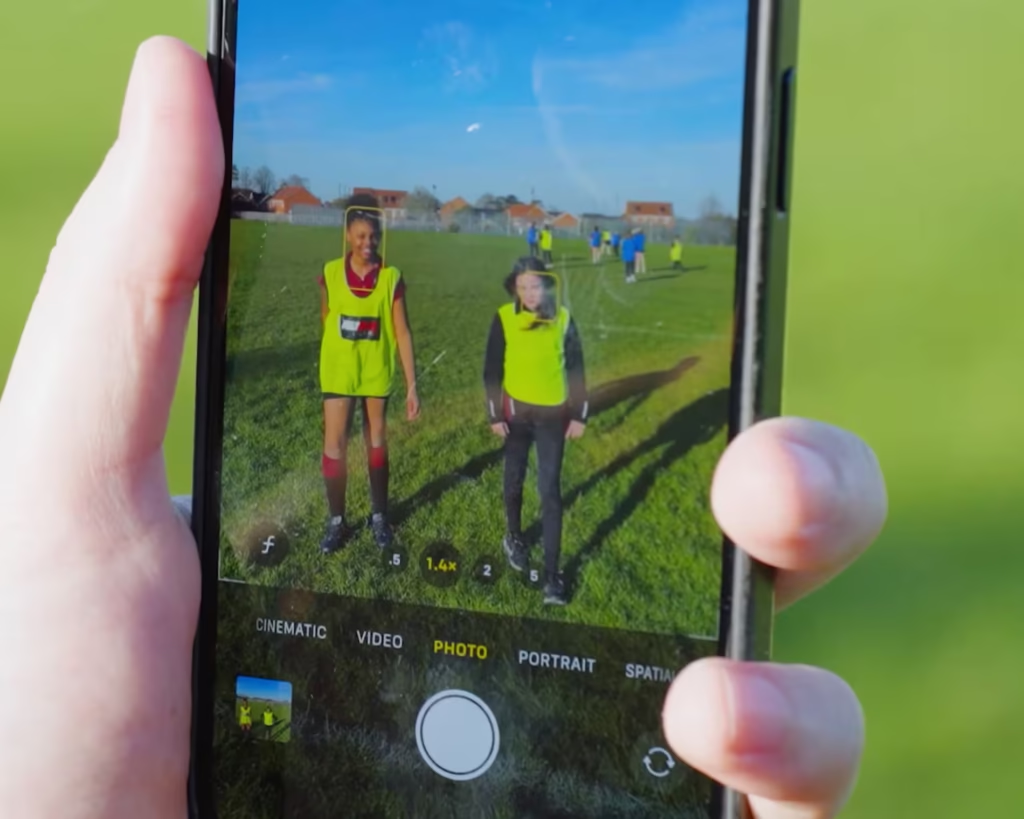
Statistics
The Internet Watch Foundation reported a 14 percent jump in AI-generated child sexual abuse material last year alone.
In 2025, the group found over 8,000 realistic AI images and videos of this kind.
Behind each of those numbers is a real child whose photo got twisted into something horrific. Some victims have come forward through the charity Childline.
One case involved a 15-year-old girl whose face was pulled from her Instagram and used to create a fake nude image, set in what looked like her own bedroom.
Other cases have hit schools directly. Blackmailers scraped photos from school websites, used AI to alter them, then threatened to release the results unless demands were met.
Recommendations
The NCA and IWF aren’t telling parents to stop posting photos altogether. Instead, they’re pushing three practical habits.
First, check your privacy settings; make sure only people you trust can see photos of your kids.
Second, use tools like a close friends list on social media instead of fully public posts. This limits who can view and download images.
Third, start talking openly with your children about photo permission. That includes conversations about school events, sports clubs, and other groups that might photograph your kids.
The guidance also urges families to look back at old posts. An outdated photo from years ago could still be sitting in public view, waiting to be misused.
Consent Forms
Old photo consent forms might need a second look. Those forms were often written before AI image tools became this powerful. What felt harmless then can pose different risks now.
The guidance recommends parents revisit these agreements. That means checking with schools, nurseries, and clubs about how images get used, and deciding whether to withdraw permission.
Dan Sexton, chief technology officer at the IWF, said he felt very uncomfortable telling parents not to share photos of their kids. Still, he said there wasn’t another honest answer to give.
None of this means deleting every family photo or locking your life away from the internet.
It means pausing before you hit share. It means checking who can actually see your posts.
It means having a real conversation with your kids about their own comfort level with being photographed and posted online.
The children’s charity NSPCC echoes this advice, encouraging under-18s to keep their own accounts private too.
And if an old photo already feels risky, according to the IWF’s Tom Dyson, people can request that photos of their children be removed from websites or social media.
