
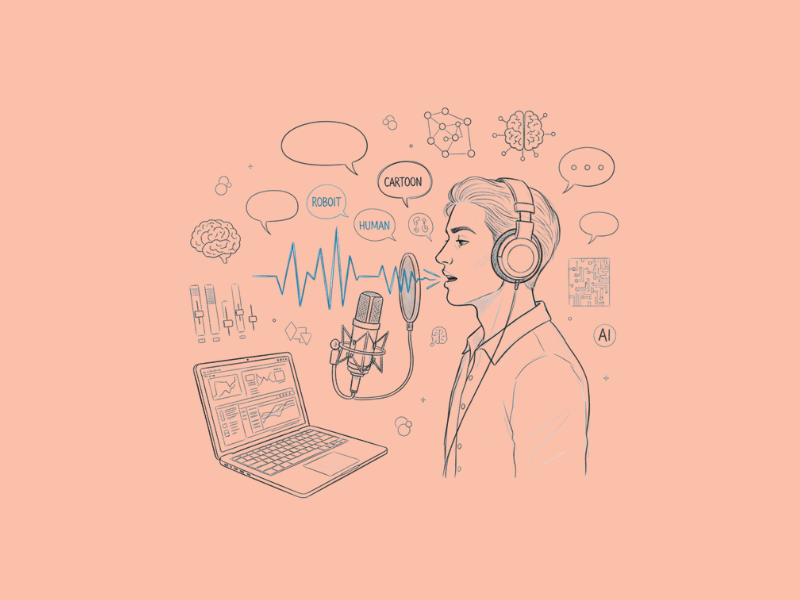

For a long time, my biggest frustration with music wasn’t writing it—it was running out of it.
I’d create a track that felt emotionally right, but it would end too soon. Thirty seconds too short for a video. One minute short for a scene. Just enough to feel incomplete. Whenever I tried to extend it manually, the result always sounded forced. Looping made the music obvious. Copy-pasting sections drained the emotion. Rebuilding the song from scratch took time I didn’t have.
That’s when I started exploring ways to extend music automatically using AI—and it completely changed how I think about song length, structure, and creative flow.
Why Extending Music Used to Feel Impossible
Music isn’t just sound placed on a timeline. It’s a movement. It has direction, tension, release, and pacing. When you loop a section, the listener notices immediately. The song stops moving forward and starts circling itself.
That’s why traditional methods fail:
- Looping repeats ideas instead of developing them
- Stretching audio damages quality and energy
- Copy-pasting sections breaks emotional progression
What I needed wasn’t repetition.
I needed continuation—music that felt like it was still going somewhere.
What “Extend Music Automatically” Really Means
At first, I assumed automatic music extension just meant smarter looping. That assumption was wrong.
When AI extends music automatically, it doesn’t replay earlier parts of the song. Instead, it:
- analyses the harmonic direction
- tracks rhythmic momentum
- understands melodic phrasing
- predicts what should come next
It’s not repeating the past—it’s finishing the thought.
This was the first time I heard extended music that didn’t sound extended. It simply sounded… complete.
How AI Understands Where Music Is Going
The magic of AI song continuation comes from context.
Before extending anything, the AI studies the existing track:
- tempo and rhythm
- key and chord movement
- energy level
- emotional tone
From there, it generates new musical material that aligns with what already exists. Not clones. Not loops. New phrases that feel logically connected.
The result is a continuation that feels inevitable—like the song always meant to go there.
The First Time It Actually Worked for Me
I remember extending a background track for a video that needed an extra 45 seconds. Normally, that would’ve meant awkward fades or obvious repetition.
Instead, I ran it through an AI extender.
The added section didn’t repeat the melody. It softened it. Then slowly reintroduced variation. The ending resolved naturally instead of cutting off.
That was the moment I realised this wasn’t a shortcut—it was a structural solution.
Using tools like Melodycraft AI song extender, I could extend music while keeping the emotional arc intact. No DAW. No re-recording. No technical friction.
Why Automatic Music Extension Feels So Natural
The reason AI-extended music feels human is because it respects progression.
Good continuations account for:
- gradual dynamic changes
- spacing and silence
- melodic variation
- energy tapering or building
AI doesn’t just add time—it shapes how time is used.
A reflective track stays restrained.
An energetic track keeps momentum.
A cinematic piece builds toward resolution.
That sensitivity is what separates modern AI from older beat-based tools.
Where I Use Automatic Music Extension Now
Once I trusted the process, I started using AI song continuation everywhere:
- YouTube background music – no more awkward loops
- Cinematic scenes – music adapts to pacing, not the other way around
- Podcast intros and outros – clean, natural endings
- Ambient tracks – extended without breaking immersion
- Short demos – turned into full-length pieces
Instead of editing content to fit music, the music fits the content.
Why This Is Better Than Manual Editing
Manual extension forces you to think technically:
- Where do I cut?
- What do I loop?
- How do I hide repetition?
AI extension lets you think creatively:
- Does this still feel right?
- Does the emotion continue?
- Does the ending make sense?
That shift matters. It keeps you in a creative mindset instead of an engineering one.
What Automatic Extension Does Not Do
It’s important to be clear about limitations.
AI doesn’t:
- decide what your song means
- invent emotion on its own
- replace creative judgment
It only works as well as the original material and the intent behind it.
If the song has no direction, the extension will feel generic. If the song has emotional clarity, the continuation feels purposeful.
The human still leads. AI simply executes.
Originality and Seamless Continuation
One concern I had early on was originality. Would extended sections sound copied?
In practice, they don’t—because they aren’t. AI generates new combinations of notes, rhythms, and phrasing based on context. Even extending the same track twice gives different results.
That variability is what keeps extended music from feeling artificial.
Why This Changes Creative Workflow
Before AI, I often shortened ideas because extending them felt risky. Now, I let ideas breathe.
Automatic music extension removes the fear of:
- committing too early
- running out of material
- breaking emotional flow
It encourages completion instead of compromise.
Final Thoughts
When I extend music automatically using AI, I’m not making songs longer for the sake of time. I’m letting them finish saying what they were already saying.
That’s the real value of AI song continuation.
It doesn’t overwrite creativity—it protects it.
Tools like Melodycraft AI song extender have turned one of the most frustrating parts of music creation into one of the easiest. Instead of forcing music to fit a timeline, the timeline bends naturally around the music.
And once you hear a song continue seamlessly—without loops, without breaks, without effort—it’s hard to go back to doing it the old way.
