
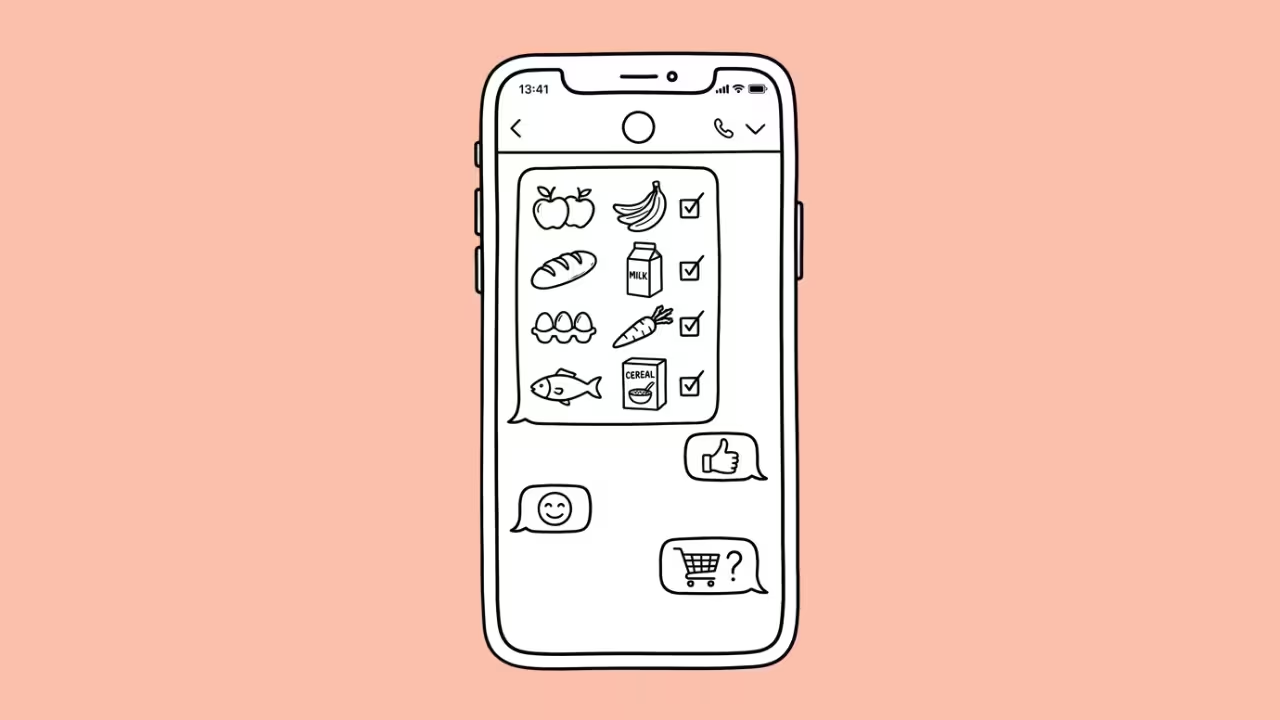

On Friday, Amazon announced a new feature that lets shoppers chat with Alexa over plain old text. You don’t need to open an app or talk to a speaker.
You just send Alexa a message, the same way you’d text a friend: in everyday words. Then Alexa takes it from there.
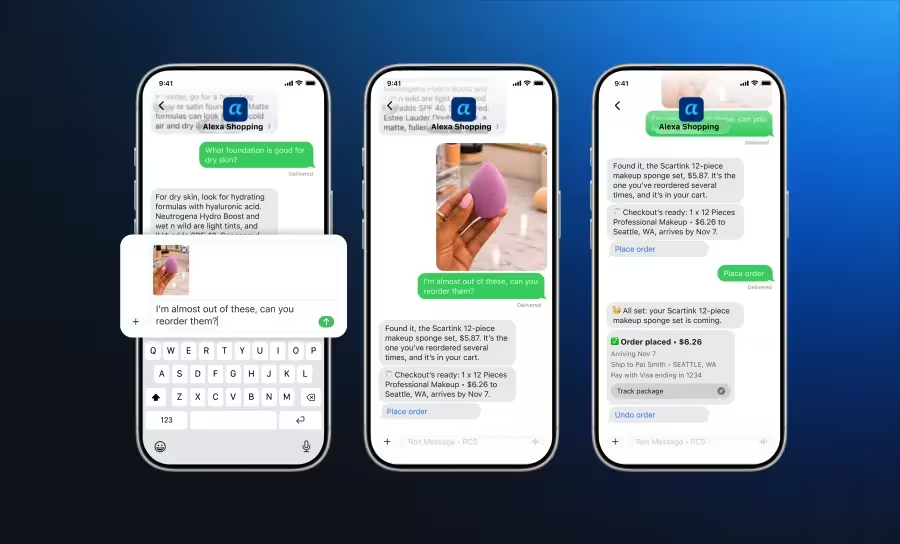
Say you need a warm winter jacket under $100. You can text exactly that. Alexa can then search for options, add an item to your cart, and even finish the purchase for you.
The whole process happens inside one text thread.
Alexa can also manage your shopping lists, keep an eye on prices, search for items across the web, compare products side by side, and track orders.
You can also text a picture of something you like, and Alexa will then look for similar listings on Amazon.
Alexa
Amazon says Alexa will learn what you like as you keep using it. Over time, it should start suggesting items that fit your taste.
Amazon launched Alexa for Shopping in the U.S. earlier this year, folding the shopping work once handled by Rufus into Alexa+ across Amazon.com, the Amazon app, and Echo devices.
Then, in late October, Amazon said Alexa could handle more than 100 different shopping-related tasks through simple conversations.
The new texting feature builds directly on those upgrades.
Select customers in the U.S. will get a text inviting them to turn on the shopping feature. If you’re not on that first list, you can join a waitlist on Amazon’s website.
Amazon says it will roll the feature out to more people in the coming weeks.
AI Agents
Texting has become one of the most popular ways to use AI agents. Tools like Muse and Instinct already let people shop and get things done just by sending a message. Now Amazon wants in.
But back in September, Amazon blocked Meta’s Muse agent, an outside shopper, from searching its site. But it’s now giving access to its own agent.
That makes sense from Amazon’s point of view. If people are going to shop through AI agents, Amazon would rather they use Amazon’s agent.
That way, it keeps control of the experience, the customer relationship, and the data. Just like Amazon, more companies want their own AI helpers instead of relying on outside ones.
For instance, DoorDash. Last month, the delivery company said third-party AI agents had placed only a few hundred orders on its platform in total.
That’s a tiny number for a company of its size. So DoorDash plans to focus on improving its own text-based agent, which it launched in September.
